Пока в Европе продолжаются дискуссии о соблюдении санкционных правил, компания Комбат-туры по-прежнему объявляет о круизе на фрегате «Штандарт», запланированном на июнь 2026 года — из Ла-Рошели в Сен-Мало. Почему же, несмотря на судебные решения и очевидные политические риски, этот проект не отменён? Ниже приведены лишь гипотезы, основанные на наблюдениях за действиями организаторов и их партнёров.
Недосказанность и иллюзия безнаказанности
Известно, что капитан Владимир Мартус нередко приукрашивает ситуацию даже перед своими ближайшими союзниками. Возможно, он представил «льготы» в Ла-Рошели как норму для всех французских портов, умолчав об административных запретах, с которыми уже сталкивался. Не исключено, что Комбат-туры строит свои планы, не обладая полной информацией.
Иллюзия правовой ясности
22 августа 2025 года Суд Европейского Союза подтвердил применимость санкционных положений к «Штандарту» и отклонил все аргументы, направленные на их обход. Тем не менее, и сам Мартус, и его адвокат Тьерри Клерк продолжают внушать окружению, будто ситуация «вот-вот разрешится». Тьерри Клерк известен чрезмерно запутанными рассуждениями, в которых ссылки на нормативные акты часто не имеют отношения к делу. Такая риторика создаёт ложное ощущение юридической безопасности.
Ставка на старые связи
Мартус, вероятно, рассчитывает на покровительство чиновников, ранее ему благоволивших, и на поддержку ассоциации Mor Glaz, возглавляемой Жан-Полем Эллекеном. Последний известен своей агрессивной манерой вести дискуссии и готовностью использовать самые жёсткие выражения. Именно эта смесь административных связей и громких лозунгов могла породить у организаторов чувство безнаказанности.
«Гуманитарный» аргумент как инструмент давления
Использование детей в качестве щита для обхода санкций — приём, к которому Владимир Мартус прибегает не впервые. Летом 2022 года он уже требовал разрешить швартовку в испанском Виго, мотивируя это наличием несовершеннолетних на борту. Можно предположить, что в 2026 году он вновь попытается сыграть на сочувствии общественности, интерпретируя положения статьи 3ea Регламента ЕС № 833/2014 в свою пользу.
Возможная политическая подоплёка
Нельзя исключать, что Комбат-туры и Мартус получают поддержку или задание от структур, связанных с российскими государственными интересами. Когда в июле 2025 года «Штандарту» было отказано во входе в порт Абердина и участии в Tall Ship Races, Генконсульство России опубликовало чрезвычайно резкое заявление, демонстрируя, насколько этот корабль значим для официальных кругов Москвы. Добавим сюда многочисленные интервью Мартуса проправительственным СМИ и сотни статей в российской прессе, обвиняющих Францию в «потере суверенитета» перед Брюсселем, — и политический фон становится очевидным. Создание хаоса и недоверия в странах Европы давно является частью гибридной стратегии кремлёвской пропаганды.
Культурное непонимание
Комбат-туры строит свою идеологию на культе силы, что видно из их рассказов о рейсах 2018 года. Но в Европе сила ограничивается законом, тогда как в России «право» нередко заменяется системой личных связей и «крыши». Если организаторы действительно мыслят в этой логике, их настойчивость объяснима: они просто не понимают, как функционирует западное правовое государство. В их глазах всё решают договорённости, а не нормы.
Возможно, именно сочетание этих факторов — доверия к старым покровителям, иллюзий относительно европейского права и уверенности в собственных «исключениях» — заставляет Комбат-туры и Владимира Мартуса продолжать авантюру, обречённую на провал. Но если этот рейс всё же состоится, он станет не демонстрацией «силы духа», а лишь новой попыткой испытать устойчивость европейских институтов.
Бернар Груа — бывший морской офицер, свидетель Революции достоинства (2013–2014), сооснователь международного движения No Mistrals for Putin, основатель и представитель общеевропейского коллектива No Shtandart in Europe.
Путевой очерк, опубликованный Комбат-Туром в 2018 году, о путешествии на борту «Штандарта» не имеет отношения к морскому туризму, а является идеологической постановкой. В пафосном и псевдодуховном тоне российская компания прославляет дисциплину, мужественность и иерархию, одновременно демонстрируя спокойное презрение к Франции и французам, сведенным к роли статистов в завоеванном декорации.
Вдали от культурного любопытства, которое она провозглашает, Kombat-Tour культивирует языческое и милитаризованное видение моря и сил природы, прославляя «силу стихий» как символ возвращения к имперскому величию. Shtandart становится плавучим святилищем мистического национализма, где смешиваются имперская ностальгия, шарлатанство, маскарад, культ лидера и отказ от Запада.
В 2025 году, когда эта компания планирует новый круиз во Францию, на этот раз незаконный, было бы наивно рассматривать его как простое морское приключение. Комбат Тур экспортирует не только корабль: он распространяет образ власти и мести, который не имеет ничего общего с безобидностью.
Далеко не каждый из тех, у кого были время и возможность – отважился. Этот Комбат-тур был за гранью земли и на грани современной жизни. Мы ступили на палубу деревянного фрегата «Штандарт», пропитанного энергией Атлантических волн и людей, которые создали это чудо 18 лет назад. На одну неделю мы бросили вызов и отправились в путь вдоль северных берегов Франции через Бискай на паруснике петровских времен, замедлив темп и превратившись в моряков 18 века. Нас ждали настоящие приключения!
Комбат-тур начался в Бресте. Да, в том самом Бресте на северо-западе Франции, в регионе Бретань, о котором, возможно, вы даже не слышали. Солнце уже клонилось к закату в тот момент, когда наш самолет с креном заходил на посадку. После успешного приземления в аэропорту Бреста мы отправились в гостиницу, а по пути угостились свежими круассанами, которые для нас раздобыли обосновавшиеся в городе сутками ранее Саша и Паша.
Пицца на 500 евро
Вечером мы традиционно собрали всех участников на ужин знакомств и, помимо привычных бесед, и представлений случилось кое-что крайне необычное. Один из наших участников, представитель сети пиццерий «Додо пицца», заказал пиццу у конкурентов, не много, не мало, примерно на 500 евро. И не только пиццу, но и салаты, десерты, мороженое… Все то, от чего мы бы точно не отказались на борту и что уже никак не помещалось в наши желудки после ужина. Французская пиццерия под известным брендом не выдержала тест-драйв: привезли с задержкой, сделали пиццу не на самом вкусном тесте и пару позиций ещё забыли. Но первый гастрономический фурор на Брест был однозначно произведен. Русскими ребятами.
Утром мы организовались на пробежку по ещё не проснувшемуся Бресту. Теплый осенний ветерок, звездное небо, фонари. Наверное, в тот момент кое-кто уже подсознательно тренировался к раннему подъему на вахту. После завтрака мы отправились на экскурсию, чтобы узнать об истории Бреста и региона. История региона Бретань, как можно догадаться, тесно связана с историей Британии. Кельты появились здесь в 5 веке до н.э. Во 2 веке до н.э. было уже около 5 племен кельтов, именно тогда они придумали чеканить деньги. В 600 годах н.э. после вторжения Римской Империи и варваров на территорию Бретани начали кочевать племена Бритты из северной Британии. После того, как все племена смешались на земле современной Франции, появился бретонский язык, который считается британским подродом кельтских языков. Даже сейчас, в современное время, бретонцы пытаются освободить Бретань от французского влияния, создавая партии и союзы бретонцев. Но вот уже пять веков Бретань безропотно относится к французским владениям. И как показал наш опыт, говорят здесь тоже исключительно на французском.
Шпионы в Бресте?
Второй русский фурор был произведен в Бресте Пашей, который бесстрашно запустил дрон над городом. Дрон отнесло ветром далеко от берега и в такой экстренной ситуации Паша не нашел ничего другого, кроме как посадить летательный аппарат на ближайшую землю – территорию крупнейшей военно-морской базы Франции, где расположены войска НАТО, так как база обслуживает подводные лодки. Дрон не утонул в море, но оказался в плену у французов. Паша отправился на его поиски и спасение. Чудом не перелез через трехметровый забор (хотя были мысли), а добровольно пришел на проходную базы. А что дальше? Дальше начался допрос на предмет шпионажа и обвинение в двойном преступлении на территории Франции. Как и во всех остросюжетных сериалах, вы узнаете, чем кончилась история в финале этой статьи, а пока вернемся к тихой-мирной экскурсии по Бресту…
Брест – это большой портовый город на территории Бретани с населением около 144 тысяч человек. Особенность города в том, что здесь не найти исторических памятников и зданий. Практически все они были разрушены во время второй мировой войны. Центр города был уничтожен во время бомбардировок на 90%. Новые дома построены из гранита и покрыты сланцем. Старый город залегает, в буквальном смысле, под новым. Кстати, в более южном Ла-Рошеле, куда мы планировали прийти, архитектура отличается: здания сложены из белоснежного известкового камня с черепицей на крышах. К слову, вся северная Франция, а в особенности островная, отличается друг от друга уже в радиусе 70-100 км. Даже цветом ставен и заборов! На одном острове – это оранжевые и белые мотивы, на другом – серые и голубые.
Примечательно, что бретонцы живут по календарю приливов и отливов, которые случаются 2 раза в день и смещаются на 45 минут. Сила прилива или отлива зависит от коэффициента (от 28 до118). На некоторые острова можно попасть как на корабле, так и на машине по дну океана во время отлива!
Брест
А мы, воспользовавшись отливом, собрали целое ведро устриц на одном из островов. Как показали опыты, дикие устрицы открыть намного сложнее. С высокой долей вероятности вы порежете палец и не один. Так ваш устричный обед может быть приправлен не только лимоном, но и кровью. Для брутальных французских моряков – это в порядке вещей.
Горт, фок, бизань
Шагнув на палубу янтарного фрегата «Штандарт», мы попали во власть капитана Владимира Мартуся. Все регалии были оставлены где-то там, на большой земле или надежно припасены для длинных ночных вахт, где ты либо крепко держишь штурвал, либо вглядываешься в темноту с бака, либо согреваешься на корме горячим чаем в негромких беседах с товарищем по вахте.
Владимир Мартус
Как вы уже поняли, или не совсем поняли, нашу группу в составе 17 человек из 10 городов России разделили на 3 вахты, именуемые в честь мачт парусника: фок, грот, бизань. У каждой вахты был свой вахтенный офицер, который разъяснял морские законы. Были свои обязанности. Мы драили палубу щетками и склизами, как настоящие матросы. Готовили завтрак на весь экипаж и наводили порядок в кают-кампании. А ещё занимались приборкой «на низах», то есть убирали гальюны, пылесосили и протирали пыль. Каждые четыре часа вахта на верхней палубе сменялась, и за штурвал заходили новые матросы. По таким морским часам мы жили целую неделю, за исключением высадки на острова и лекций от Стаса Воробьева.
Сон моряка – это святое
Поначалу мы храбрились и спали всего по 4 часа в сутки, много общались. Потом ложились спать сразу после своей вахты. Потом засыпали в любой удобный момент между вахт. Из крайностей – пропускали завтрак. Это с первого взгляда кажется, что на борту много времени – целый океан, а если разложить все по нагелям полочкам, то очевидно, что обеспечение работы фрегата – это большой труд!
Первая ночь на фрегате прошла спокойно, мы стояли в порту и не ощущали волнения моря. Эта ночь была дана для адаптации к жизни в гамаке. На берегу вряд ли решишься спать целую неделю в подвешенном состоянии. Оказалось, что это удобно и практично, особенно во время качки. Даже при сильном крене ты не вывалишься из гамака, а будешь чувствовать себя даже более комфортно, чем на обычных койках.
Отдать швартовы
В 9 тура на пяти узлах мы покинули шестой по грузообороту и тоннажу порт в мире – Брест, и в этот момент начался морской Комбат-тур на паруснике «Штандарт».
Фрегат «Штандарт» в порту Бреста
Если посмотреть на фото, то кажется, что на корабле невероятное количество снастей. В шутку моряки их называют веревками. По 90 штук с каждого борта! И каждая из них знает своё место и имеет свое название. Чтобы начать работу со снастью, нужно совершить 4 четких и унифицированных движения: сбросить с нагеля бухту, раздать снасть, выбрать или потравить снасть и заложить (закрепить). Крепить снасть также необходимо особым способом, чтобы даже ночью любой матрос мог справиться с задачей с закрытыми глазами, по формуле: нолик, восьмерка, нолик.
3 суеверия от экипажа Штандарта:
1. На борту нельзя говорить точное время прибытия, иначе обязательно найдутся силы, которые этому помешают. Можно говорить, что корабль «планирует прибыть»… 2. На борту нельзя бриться, иначе не будет ветра. 3. На борту нельзя свистеть, иначе будет сильный ветер или шторм.
Ещё в порту мы отработали подъемы на мачты, поэтому установка парусов для нас не была сверхзадачей, особенно под руководством вахтенных офицеров.
Погружение в стихию
Переход из Бреста до небольшого портового городка Конкарно занял целый день. Признаться честно, то это был самый легкий день перехода. Светило искренне теплое французское солнце, с обеих сторон мы наблюдали причудливые скалы, было видно, как океан разбивает свои волны о высокие серые берега, иногда мимо на лодках проплывали водолазы, и даже через их маски наблюдалась откровенная зависть, ведь мы шли на большом паруснике и были свободны наравне с ветром. В каждом действии фрегата была невероятная мощь!
Именно в этот момент наше внимание, внимание всей группы обратил на природу лидер и эксперт Комбат-тура, предприниматель, современный философ и практикующий психолог Стас Воробьев:
«Когда мы проводим несколько дней на природе, мы структурируем себя и восстанавливаемся. Человек в контакте с природой начинает присутствовать в состоянии бытия. Сейчас мы находимся в четырёх стихиях: плывем в водах Атлантики, ощущаем ветер и солнце и видим землю в виде островных скал. И это лучшая возможность, чтобы найти свою точность, прислушаться к себе».
Стас Воробьёв
Задание №1
Мы получили задание очиститься от городской шелухи, чтобы быть открытым к новым ощущениям и информации. Как? У каждого была своя «медитация. Посидеть на солнце, раскинуть руки и вдохнуть соленый ветер, чтобы он продул тебя насквозь. Разглядеть, как волны разбиваются о мощные скалы. Или просто нырнуть в тринадцатиградусный океан.
Если все правильно делать, а правильно, значит, по своим ощущениям, то наступает момент озарения, перезагрузки, наслаждения свободой, и, наконец, счастья. Из этой точки и в таком возвышенном состоянии можно расти в любом направлении. Можно познавать глубже себя, природу, историю мест, других людей. И о таком озарении точно не кричат, его можно только поймать на фото, в глазах.
Задание №2
После высадки в Конкарно Стас предложил всем разойтись, поддаться чутью и найти «то самое место» с местной кухней, с интересным промыслом, необычным ландшафтом…
Кто-то из участников нашел продавца устриц и предложил устроить пикник, кто-то купил местное вино, кто-то – креветок, наш именинник (в этот день Алексею стукнул 41 год) ходил по Конкарно и «коллекционировал» граффити на стенах, чтобы понять город ещё глубже. Я фотографировала окна и нашла милый парк, где мы потом и разместились.
Ещё был найден экс-преподаватель экономики-француз, который старательно собирал красных креветок, затерявшихся в морской капусте, во время отлива. Как выяснилось, французы занимаются таким собирательством, в резиновым сапогах и с сочками, ради хобби. Как в России, к примеру, собирают грибы. Причем часто можно видеть семейные пары в возрасте с абсолютно одухотворенными от этого процесса лицами.
Итог задания в Конкарно был таков, что мы собрались в парке, устроили пикник из традиционных морепродуктов, отпраздновали день рождения нашего собрата по Комбат-туру и вовремя вернулись на корабль, дабы продолжить путешествие.
Задание №3
Чтобы добраться до острова, нужно пройти 95 миль, то есть выйти в воды Бискайского залива, нарваться на зыбь, прочувствовать качку (но об этом чуть позже), отстоять ночную и дневную вахту, спустить на дно океана якорь, а потом поднять эти 600 кг на борт.
Нам предстояла высадка на три разных острова.
На острове Иль Дэ Бэль (острове Жозефины) всё было прекрасно! И высокие стены порта, на которые пришлось забираться с лодки, и неприступная Цитадель, и узкие улочки с живописными картинами на белых стенах… Задача стояла в том, чтобы понять остров и найти свои места силы.
Позже Стас Воробьев расскажет:
«Места силы – это, чаще всего, те места, где есть разломы земной коры: горы, вулканы или трещины. Энергия земли в таких местах – это женская сила. Есть места силы, созданные стихией, там, где высокие волны разбиваются о скалы – это мужская сила. А есть места, которые созданы людьми и событиями, которые формируют особенное информационное поле».
Остров Иль Дэ Бэль оказался женским по своей энергетике. Более того, он оказался ещё и кормящим. Моя длительная прогулка увела к широким полям и обрывистым берегам. По пути встретилась сладкая яблоня и даже теплицы с французскими помидорами, среди которых нашлись черри. Я не отказала себе удовольствии попробовать плоды Иль Дэ Бэль!
Но если без шуток и персональных историй, то каждый участник открывал на островах что-то своё: кто-то устричную раковину, кто-то дверь в музей, кто-то бутылку французского вина, а кто-то душу местного жителя.
Остров Бель-Иль
На острове Иль Дэ Е Стас организовал для нас обзорную экскурсию по местам силы, в которую вошла церковь святого Омана, стелла в парке с статуей Девы Марии и дольмены на берегу океана. Разные по своей истории, местоположению и энергии места. Мы их проанализировали с точки зрения логики и истории, поделились ощущениями и зарядились от стихии, которая начала разыгрываться над островом. Пошёл дождь. По дороге к порту мы попробовали местный инжир, впрочем, и обед состоялся на берегу. Быть во Франции и не наслаждаться местной кухней – непростительно!
Высадка на острове Йеу
Остров Иль дэ Экс стал финальным из островов. Он расположен рядом с известной тюрьмой Форт Боярд, в башне которой сидит старец Фура, а Паспарту собирает ключи. Как гласит история, в 1815 году на острове Иль дэ Экс Наполеон I сдался командиру английского судна и был отправлен на остров Святой Елены. Если во времена Первой мировой войны на острове проживало несколько тысяч человек, то на сегодняшний день людей на острове около 300 человек. Здесь же можно добавить, что Иль дэ Экс – это остров велосипедистов! Нет смысла разъезжать на авто, когда от края до края всего лишь 3 километра. Переночевать, кстати, можно в гостинице, названной в честь Наполеона. Но у нас была другая задача: собрать устрицы во время отлива. Не всем эта задача оказалась под силу. Целеустремленностью отличился Денис Шилихин, эксперт в области вин, реставрации и газового оборудования из Волгограда, который собрал целый пакет диких устриц. Они заняли почетное место на столе во время праздничного ужина.
Форт Боярд
Каким был итог посещения трех островов и погружения в себя? У каждого свой. Кто-то видел сны, которые Стас умело толковал и учил, как правильно интерпретировать знаки. Кто-то нашел заряд, нашел себя и ответы на глубинные вопросы. Кто-то очистился от городской шелухи и продулся ветром. Это слишком личное, чтобы громко кричать.
Предприниматели и менеджеры экспедиции
Но я повторюсь, что эту перезагрузку видно на лицах людей!
Магия штандарта
Особенно хорошо магия Штандарта понятна ночью, когда нет посторонних шумов и света. Как звучит Штандарт? Слышен гул из машинного отделения, когда работает двигатель, и мы на полном ходу. Но шум не такой громогласный, как например на «Седове». Если мы идём под парусами, то слышно, как поскрипывают мачты, как волны шелестят о деревянную карму, а ветер играет на снастях.
Ночные вахты особенно остро позволяют пережить всю гамму шести чувств. Если про звуки все ясно, то в поле зрения попадает либо навигационный экран с картой, либо звезды (особенно хорошо их видно с кормы), либо …. дельфины. Да, дельфины! Днем дельфинов видел если не каждый, то очень многие. А вот ночью, в окружении светящегося планктона, плывущих наперегонки с кораблем – единицы! Дельфины напоминали флуоресцентные торпеды, ярко-зеленого цвета, смешанного с морской волной, мчащиеся наперерез паруснику. Они выныривали и уходили в глубину, потом снова проносились восьмерками то по левому, то по правому борту. Дельфины были похожи на голограммы. Не земные. Не морские. Космические. И в этот момент сам фрегат был похож на космический корабль, проносящийся под звездами к светящимся на горизонте маякам. Вот такая магия Штандарта и Бискайского залива.
Откуда появился Штандарт? Из мечты, о которой рассказал Капитан Владимир Мартусь. В 1992 году он получил чертежи петровского фрегата и по ним создал настоящую реплику. Работы по сооружению корабля в Санкт-Петербурге начались сразу же после покупки лучшей на тот момент бензопилы и первого сваленного дерева. О том, к какой мечте сегодня стремится капитан фрегата со своим экипажем вы прочтете в интервью с капитаном, а пока – несколько фактов о Штандарте:
Штандарт – это действующая копия первого парусного фрегата Балтийского флота Российской империи «Штандарт» времен Петра I .
Фрегат за 18 лет прошёл расстояние равное 7 кругосветным путешествиям
В строительстве Штандарта принимали участие около 200 волонтеров.
Корабль полностью построен из дерева – дуба и сосны.
Вся резьба – ручной работы и местами повторяет лица мастеров, трудившихся над кораблем.
Слоган парусника – Life is what you make it. Художественный перевод – мечты прекрасны воплощеньем.
Фрегат «Штандарт» на якоре у острова Экс
Ешь, матрос, пока есть силы
Ужин 10 октября был самым не популярным. И не потому что кто-то пересолил или переперчил…просто мы шли под парусами с большим креном и подпрыгивали на волнах высотой до трех метров. Сначала мы забавлялись, вставая под большим углом и не падая. Кружки, тарелки катились по столу. Впрочем, на Штандарте все предусмотрено и есть масса ограничителей и задвижек. Потом мы стояли под таким же углом, но уже не в кают-кампании, а на пушечной палубе, в поисках горизонта и ихтиандра. Да, всякий моряк проходил через морскую болезнь. Зато какое блаженство наступает, когда тебя отпускают все симптомы, и ты искренне радуешься жизни!
Питание у нас было строго по рынде, по расписанию, четыре раза в день. Еда была буржуазная, с французскими сырами, супами, котлетами и колбасками. Даже для вегетарианцев находили специальную еду. Каждый подежурил на камбузе и знает, каково это – вымыть 26 тарелок, 52 прибора и прочие вспомогательные инструменты. Работа непыльная, но скрупулезная. От друзей по вахте за время дежурства услышишь немало историй и вкусовых предпочтений.
Например, Лайви – боцман Штандарта родом из Великобритании – любит яйца. И если на утро омлет, то на камбузе точно Лайви. Я готовила рисовую кашу на молоке, и в это утро я точно знала, у кого какие вкусовые пристрастия с детства. Правда, некоторые ребята хитрили и чтобы не обидеть, просили положить кашу, но только одну ложечку. Мелочь, а приятно, когда твой труд ценят!
Кстати, на вахтах народ тоже не пропадал. Кормили мы друг друга шоколадками и поили черным чаем и кофе, чтобы не уснуть. Золотое было время! Начинаешь ценить спустя дни и недели.
А что стало с Пашей?
История, рассказанная Пашей в первый же вечер за ужином на Штандарте, догоняла его все путешествие. Не было ни одного дня, чтобы кто-то не вспомнил про Пашу и его дрон, приземлившийся на базу НАТО. Паша своим нетривиальным действием создал первый в истории Франции прецедент, когда русский сажает дрон на базу ВМФ в экстренной ситуации из-за сильного ветра, приходит с поличным и спустя четыре часа забирает дрон в целости и сохранности. Правда, уже без карты памяти и с двумя предупреждениями о нарушении законов, в случае повторного нарушения которых последуют штрафы в размере 15 и 75 тысяч евро. Это звучит все легко и просто сейчас, но тогда, в полицейском участке в окружении французов, а потом и натовцев с автоматами, которые оцепили дрон, было точно не до шуток. Что ж, такие истории напоминают нам о том, что жизнь реальна, а ораторские навыки члена команды Комбат-туров – блестящие! А вот в управлении дроном придется еще потренироваться.
Паша, героический дроновод
А напоследок… Ла-Рошель
Во Вторую мировую Ла-Рошель стал последним освобожденным городом Франции. Он же стал финальной точкой нашего путешествия. Белокаменный, светящийся разноцветными огнями фестиваля, приветствующий нас восторженными взглядами и выкриками «Manific» местных жителей – Ла-Рошель.
По пути к порту мы салютовали из пушки Форту Боярду. Действо поистине историческое, яркое, громкое и торжественное! Экипаж переоделся в исторические костюмы и надел пиратские треуголки. Толпы туристов стремились на борт корабля, а некоторые даже пробирались в квартердек с гамаками, на территорию России, без таможенного досмотра. В нашем случае любопытство каралось предупреждением в устной форме и не предполагало штрафов.
На финальном выпускном вечере мы собрались на полуюте – верхней палубе, чтобы получить заслуженные дипломы, подвески в виде якоря Штандарта, сертификаты на покупку часов от наших друзей и партнеров компании 6 MX, услышать слова благодарности от капитана, экипажа, эксперта тура Стаса Воробьева. Мы, ведущие вечера, были в историческом амплуа, что создавало свою, особую атмосферу и вновь переносило всех в 18 век.
Русский карнавал, посвященный подвигу отважных участников экспедиции
Есть теория, что если сильный окружает себя слабыми, то он становится обусловленным этим обществом. Становится слугой и заложником слабых людей. Ради чего? Ради самоутверждения. А если сильный окружает себя сильными людьми, проживает вместе с ними сильные эмоции и события, то не только этот человек, но и частичка мира становится крепче.
Штандарт и Комбат-тур объединили сильных людей. Людей, которые готовы к переменам и движению вперед! Штандарт – это деревянный магнит, который притягивает только хороших и достойных людей, открытых и честных. Это машина времени, которая помогает замедлиться и посмотреть на свою земную жизнь под другим углом, из океана. Пока по дорогам мчатся автомобили, поднимаются и опускаются лифты, проносятся самолеты… Штандарт идёт по волнам и расставляет все по своим местам.
Ла-Рошель
Вот такой необычный и вместе с тем приключенческий Комбат-тур состоялся в финале 2018 года. До новых встреч, до новых экспедиций, друзья!Организаторы Комбат-тура выражают благодарность всем участникам морской экспедиции, капитану Штандарта Владимиру Мартусь, экипажу Штандарта: Старший помощник – Дмитрий Рябчиков Старший механик – Дмитрий Житнухин Вахтенный офицер – Николай Васильев Вахтенный офицер – Анастасия Енгалычева Матрос – Федор Велич Матрос – Александр Орлов Матрос – Екатерина Плянтер Боцман – Лайви
Директор проекта – Александр Чуранов PR-директор – Юлия Сологубова ART -директор – Павел Исаев Back-office – Евгения Новикова, Виктория Коренкова Текст: Юлия Сологубова Фото и обработка: Юлия Сологубова, Павел Исаев +7 906 668-45-55 info@kombat-tour.ru org@kombat-tour.ru
L’agence russe Kombat-Tour a publié un long compte rendu de son séjour, de 2018, à bord du Shtandart, la réplique de la frégate de Pierre le Grand dirigée par Vladimir Martus. Présenté comme une « expédition philosophique », le texte se révèle être une fresque d’auto-célébration nationaliste où se mêlent chamanisme de pacotille, culte du chef, nostalgie impériale et mépris latent de l’Occident. Derrière l’imagerie d’une Russie “spirituelle” et “forte”, ce récit expose les ressorts culturels et psychologiques d’un chauvinisme qui isole le pays du monde civilisé — et dont l’idéologie sous-jacente conduit tout droit à la guerre d’agression contre l’Ukraine.
Dès la première phrase — « au-delà des limites de la terre et à la limite de la vie moderne » — le ton est donné. Le récit confond tourisme nautique et épopée mystique. Tout est superlatif : « miracle », « défi », « véritable aventure », « succès fou ». L’enflure verbale masque le vide de sens et traduit un besoin de grandeur compensatoire.
Le Shtandart devient une sorte de portail sacré, « imprégné de l’énergie des vagues de l’Atlantique et des gens qui ont créé ce miracle ». Ce lexique de l’énergie et de la “transformation” évoque davantage un stage new age qu’une navigation maritime. Cette emphase n’est pas innocente : elle flatte la vanité du client fortuné en quête d’“initiation”, tout en glorifiant la Russie éternelle face à un monde moderne perçu comme déchu.
2. Le chamanisme de pacotille de Stas Vorobyov
Stas Vorobyov, promoteur de Kombat-Tour, incarne le gourou entrepreneurial russe : mélange de coach de vie, d’ésotériste et de vendeur de rêves.
Stas Vorobyov : le chaman en carton
« Lorsque nous passons plusieurs jours dans la nature, nous nous structurons et nous nous régénérons. (…) Nous sommes actuellement dans les quatre éléments. »
Ce verbiage pseudo-spirituel recycle le vocabulaire du yoga, du développement personnel et de la mystique païenne, sans aucune cohérence intellectuelle. Il prône le “retour à la nature”, la “respiration du vent salé”, la “connexion aux quatre éléments” — autant de clichés d’un chamanisme d’aéroport destiné à une clientèle citadine en mal d’identité.
Vorobyov incarne le charlatanisme post-soviétique, cette soif de foi de substitution qui mêle business, ésotérisme et nostalgie impériale. Ce syncrétisme grotesque, typiquement russe, prétend offrir une “renaissance intérieure”, mais ne produit qu’un folklore psychologique à la gloire de soi-même.
3. La dévotion au “capitaine Martus”
Le texte se transforme vite en hymne à la gloire de Vladimir Martus.
« Nous sommes tombés sous l’autorité du capitaine Vladimir Martus. » « En 1992, il a reçu les plans de la frégate de Pierre le Grand et s’en est servi pour créer une réplique fidèle. »
« Nous nous sommes retrouvés sous l’autorité du capitaine Martus. »
Martus est décrit non comme un simple marin, mais comme l’héritier direct de Pierre Ier, figure quasi mythique. Il n’est plus un homme, mais un prophète d’une Russie rêvée. Le vocabulaire est religieux : “rêve”, “mission”, “vérité”, “autorité”. Les passagers deviennent les adeptes d’un culte du chef, et le Shtandart le temple flottant de la nostalgie tsariste.
Cette dévotion à Martus illustre un rapport hiérarchique typiquement russe : le chef est infaillible, le peuple doit croire. C’est le même schéma de soumission charismatique qui irrigue la politique russe contemporaine.
4. Une clientèle fortunée en quête d’exotisme russe
Sous ses allures d’expédition maritime, le Kombat-Tour est un produit de luxe. Les détails sont révélateurs : arrivée en avion, “croissants frais”, “pique-nique aux huîtres et au vin local”, “dîners traditionnels”, “certificats et cadeaux d’entreprise”. Même Dodo Pizza, partenaire du voyage, incarne la nouvelle bourgeoisie russe qui s’achète du sens à coups de slogans spirituels.
« C’est la meilleure occasion de trouver votre précision, d’entendre votre voix intérieure. »
Le Shtandart devient le décor d’une croisière chic déguisée en épopée virile. Sous couvert d’“authenticité”, tout est calibré pour flatter des clients qui veulent croire qu’ils rejouent les conquêtes impériales, sans renoncer au confort moderne. C’est le folklore d’une élite nostalgique, transformant le kitsch nationaliste en produit d’appel.
5. Mépris latent pour la France et les Français
Le passage sur Brest est révélateur d’une condescendance impériale :
« Brest, dont vous n’avez peut-être même jamais entendu parler. » « Les Bretons tentent de libérer la Bretagne de l’influence française… depuis cinq siècles déjà, la Bretagne se soumet sans broncher à la domination française. »
Brest
Le “test gastronomique” des pizzas à 500 €
Cette caricature historique exprime un mépris implicite pour la France, perçue comme soumise et décadente. Le “test gastronomique” des pizzas à 500 € ridiculise les Français et célèbre la “supériorité” russe. Même l’épisode du drone espion — « un Russe pose son drone sur une base de l’OTAN » — est narré comme un exploit héroïque, une revanche symbolique sur l’Occident.
Pasha, le droniste héroïque
Ce chauvinisme déguisé en humour traduit une profonde rancune : la Russie se rêve debout, forte et libre, face à une Europe “affaiblie”. C’est la matrice idéologique du ressentiment.
6. Chauvinisme, culte de la force et mépris de la faiblesse
Le texte culmine dans un véritable manifeste :
« Si une personne forte s’entoure de personnes faibles, elle devient leur serviteur. (…) Le Shtandart et Kombat-Tour ont réuni des personnes fortes. »
Tout le discours repose sur le culte de la force. La “faiblesse” est méprisée, l’obéissance glorifiée, la hiérarchie sacralisée. Le nom même “Kombat-Tour” — contraction de “commandant de bataillon” — inscrit cette expérience dans un imaginaire militaire. Le groupe se rêve comme une confrérie d’élite au-dessus du commun.
Cette apologie de la virilité conquérante, de la pureté morale et du commandement vertical préfigure les dérives autoritaires d’un nationalisme en quête d’ennemis. Elle érige la brutalité en valeur, la soumission en vertu.
7. Une “culture alternative” tournée contre le monde civilisé
Derrière la façade culturelle, ce récit incarne la nostalgie réactionnaire d’une Russie mythifiée : pure, forte, spirituelle et “en guerre” contre la modernité. Le “retour à la nature”, la mer, le bois, la fraternité virile, la foi dans le chef — tout concourt à une esthétique du repli.
Cette pseudo-culture, qui se veut alternative, rejette la raison, la démocratie, l’individualisme et le doute. Elle prône une “authenticité” fondée sur la force et la verticalité — le cœur même de l’idéologie impériale russe.
Ce romantisme martial, lorsqu’il quitte le théâtre du folklore pour gagner le champ politique, mène droit à la guerre : celle qu’on inflige à l’Ukraine, au nom du “retour du peuple fort”.
Conclusion : le Shtandart, vitrine d’une mythologie toxique
Sous les oripeaux d’une navigation historique, le Shtandart se présente comme la vitrine d’une mythologie toxique. On y célèbre un chef charismatique érigé en figure prophétique, un gourou mystico-commercial qui vend l’illusion de la transcendance, et une clientèle aisée en quête de rachat symbolique par le folklore national. Le discours, parsemé de condescendance envers la France et d’une exaltation viriliste de la force, traduit une obsession de la pureté et de l’obéissance.
La Rochelle
Cette construction idéologique ne se limite pas à un délire touristique : elle révèle les fondations mentales d’un chauvinisme qui érige la domination en idéal et la soumission en vertu. Le Shtandart n’est plus une simple réplique de navire historique, mais le miroir flottant d’une Russie fantasmée — spirituellement supérieure, isolée dans son orgueil, et désormais en rupture avec le monde civilisé.
Analyse du programme Kombat-Tour : croisière prévue sur la frégate russe Shtandart, illégale en Europe selon la CJUE. Risques juridiques et sécuritaires
В 2018 года российское агентство «Комбат-Тур» опубликовало подробный отчет о своём пребывании на борту «Штандарта», реплики фрегата Петра Великого под руководством Владимира Мартуса. Презентованный как «философская экспедиция», текст оказывается панорамой националистической самовосхваления, в которой смешались фальшивый шаманизм, культ лидера, имперская ностальгия и скрытое презрение к Западу. За образом «духовной» и «сильной» России скрываются культурные и психологические механизмы шовинизма, изолирующего страну от цивилизованного мира — и чья идеология напрямую ведет к войне агрессии против Украины.
С первой фразы — «за пределами границ земли и на грани современной жизни» — задается тон. Рассказ смешивает морской туризм и мистическую эпопею. Все описано в суперлативе: «чудо», «испытание», «настоящая приключенческая история», «безумный успех».
«Штандарт» превращается в своего рода священный портал, «насыщенный энергией волн Атлантики и людей, создавших это чудо». Лексика о «энергии» и «трансформации» ближе к курсам нью-эйдж, чем к морской навигации. Эта преувеличенная риторика не случайна: она льстит тщеславию состоятельного клиента в поисках «инициации», одновременно возвеличивая вечную Россию перед современным миром, воспринимаемым как упавший.
2. Дешевый шаманизм Стаса Воробьева
(Le chamanisme de pacotille de Stas Vorobyov)
Стас Воробьев, организатор «Комбат-Тур», воплощает российского предпринимательского гуру: смесь лайф-коуча, эзотерика и продавца мечты.
Стас Воробьёв: шаман из пластика
« Когда мы проводим несколько дней на природе, мы структурируемся и восстанавливаемся. (…) В настоящий момент мы находимся во всех четырех стихиях. »
Эта псевдохарактерная духовная риторика перерабатывает словарный запас йоги, личностного развития и языческой мистики, не имея никакой интеллектуальной логики.
Он пропагандирует «возвращение к природе», «дыхание соленого ветра», «связь с четырьмя стихиями» — все это клише аэропортного шаманизма, рассчитанного на городскую клиентуру, ищущую идентичность.
Воробьев воплощает постсоветский шарлатанизм, жажду замещающей веры, которая смешивает бизнес, эзотерику и имперскую ностальгию. Этот гротескный синкретизм, типично русский, претендует на «внутреннее возрождение», но создает лишь психологический фольклор в честь себя.
3. Преданность «капитану Мартусу»
(La dévotion au “capitaine Martus”)
Текст быстро превращается в гимн славе Владимира Мартуса.
« Мы оказались под властью капитана Владимира Мартуса. » « В 1992 году он получил чертежи фрегата Петра Великого и использовал их для создания точной реплики. »
Мы оказались под властью капитана Мартуса
Мартус представлен не просто моряком, а прямым наследником Петра I, почти мифической фигурой. Он уже не человек, а пророк воображаемой России.
Лексика религиозная: «мечта», «миссия», «истина», «власть». Пассажиры становятся последователями культа лидера, а «Штандарт» — плавающим храмом царской ностальгии.
Эта преданность Мартусу иллюстрирует типичные российские иерархические отношения: лидер непогрешим, народ обязан верить. Та же модель харизматической подчиненности пронизывает современную российскую политику.
4. Состоятельная клиентура в поисках русского экзотизма
(Une clientèle fortunée en quête d’exotisme russe)
Под видом морской экспедиции «Комбат-Тур» представляет собой роскошный продукт.
Детали показательные: прибытие на самолете, «свежие круассаны», «пикник с устрицами и местным вином», «традиционные ужины», «сертификаты и корпоративные подарки». Даже «Dodo Pizza», партнер поездки, воплощает новую российскую буржуазию, покупающую смысл через духовные лозунги.
«Штандарт» превращается в декорацию шикарного круиза, замаскированного под мужественную эпопею.
Под прикрытием «аутентичности» все рассчитано на то, чтобы льстить клиентам, желающим верить, что они возрождают имперские завоевания, не отказываясь от современного комфорта. Это фольклор ностальгирующей элиты, превращающий националистический китч в маркетинговый продукт.
Это лучшая возможность найти свою точность, услышать свой внутренний голос
5. Создание «альтернативной реальности»
(L’écriture d’une “réalité alternative”)
Рассказ превращает обычные события в почти мифологические приключения. Пробежка в Бресте становится героической тренировкой. Сбор устриц превращается в ритуал посвящения, где прославляются кровь и опасность:
« Ваш обед из устриц может быть приправлен не только лимоном, но и кровью. Для грубых французских моряков это совершенно нормально. »
Каждое ежедневное действие — уборка палубы, подача завтрака, смена вахт — возвышается до уровня почти военной и духовной дисциплины, создавая альтернативный нарратив, в котором жизнь на борту становится примером «этики силы».
6. Презрение к Франции и шовинизм
(Mépris pour la France et chauvinisme)
Текст изобилует снисходительными суждениями:
« В этом самом городе Брест, о котором вы, возможно, никогда не слышали. »
Русский Экстрим
Русский Экстрим
Французы становятся комическими или низшими фигурами, будь то через дрон Паши, «бросающий вызов» военно-морской базе, или через устрицы, которые трудно открыть. Эти анекдоты служат доказательством предполагаемого превосходства русских — смелых и изобретательных — перед ошеломленными французами.
Паша, героический дроновод
География и история переписываются: Бретань «покорена», Ла-Рошель «освобождена поздно». Реальность перестраивается, чтобы поддерживать шовинистическое видение, где внешний мир существует лишь как декорация для демонстрации силы русских.
7. Культ силы и искусственно созданное героизм
(Culte de la force et héroïsme fabriqué)
Весь рассказ восхваляет физическую силу, сопротивление стихиям и выносливость: ранний подъем, качка на волнах до трех метров, сон в гамаке.
Дельфины «голографические», фрегат «космический корабль», ночные вахты — все это способствует созданию иллюзии космического величия, где индивидуальный опыт превращается в демонстрацию коллективной русской силы.
Даже приемы пищи, устрицы и туристические мероприятия превращаются в доказательства выносливости и мужества. Эта прославление силы сопровождается псевдо-философией: общаться только с «сильными» людьми, чтобы укрепить собственную силу и, косвенно, силу России.
8. Идеология, ведущая к войне
(Une idéologie conduisant à la guerre)
Рассказ, возвеличивая лидера, силу, русскую изобретательность и высмеивая иностранцев, создает закрытое и агрессивное мировоззрение.
Эта идеология, в которой Россия — единственная носительница истины, а физическое мужество и преданность лидеру абсолютны, психологически готовит участников к восприятию насилия и доминирования как легитимных. Именно такой тип мышления привел к тотальной войне против Украины.
Заключение
(Conclusion)
«Комбат-Тур» на борту «Штандарта» — это не просто морское путешествие или курс личностного развития: это националистическая и элитарная постановка, где псевдохудожественный фольклор, преданность лидеру, презрение к Западу и восхваление силы превращают состоятельных участников в адептов военной и империалистической идеологии. Каждая анекдота, каждое упражнение, каждое наблюдение перестраивается для создания альтернативной реальности, вечной и победоносной России, где иностранная культура и разум сведены к комическим или слабым аксессуарам.
Возвеличивая мужество, смелость и преданность лидеру, и высмеивая внешний мир, этот рассказ ярко иллюстрирует, как усиленный национализм и культурный шовинизм могут служить прелюдией к военной агрессии. «Комбат-Тур» — это одновременно психологический опыт и демонстрация идеологической механики, превращающей граждан в инструменты войны и русских — в изгоев цивилизованного мира.
La société Kombat-Tour, basée à Smolensk (Russie), qui promeut une « croisière familiale » à bord de la frégate Shtandartle long des côtes bretonnes, a été formellement avertie des interdictions en vigueur concernant cette opération. Elle a également été informée du risque que ses clients ne puissent embarquer ou débarquer, voire qu’ils soient placés en détention par les forces de l’ordre.
À l’attention de : Direction de la société Kombat Tour 4B rue Kommunisticheskaya Smolensk Russie +7 906 668-45-55 info@kombat-tour.ru org@kombat-tour.ru
Copies : Premar-Ceclant – Préfet Maritime, Commandant en Chef pour l’Atlantique Préfet du Finistère Préfet des Côtes d’Armor Préfet d’Ille-et-Vilaine
Objet : Kombat Tour – Avertissement sur les risques juridiques liés aux navigations à bord du TS Shtandart dans les eaux européennes.
Le 6 novembre 2025
Chère Madame, Cher Monsieur,
Votre société, Kombat Tour, domiciliée à Smolensk (Russie), commercialise des navigations à bord du TS Shtandart (MMSI nº 518999255). On peut notamment citer la croisière familiale annoncée entre La Rochelle et Saint-Malo.
Le présent courrier vise uniquement à informer votre société des contraintes légales européennes susceptibles d’affecter vos prestations, afin d’éviter à votre société d’éventuels litiges avec ses clients. En effet, ceux-ci risquent de ne pas pouvoir embarquer ou débarquer, voire d’être interpellés par les forces de l’ordre, comme cela s’est produit fin septembre 2025 au Portugal1.
Le préfet du Finistère a pris un arrêté, le 7 juillet 20242, appliquant l’interdiction européenne à tous les ports de son département (dont Camaret-sur-Mer). Il en est de même pour les Côtes d’Armor3 (dont l’Île-aux-Moines) et l’Ille-et-Vilaine4 (dont Saint-Malo). De plus, le préfet maritime de l’Atlantique interdit la Baie de Douarnenez, le goulet de Brest (dont encore Camaret) et la rade de Brest aux navires russes sous sanctions. Le 11 juillet 2024, le TS Shtandart a saisi le tribunal administratif de Rennes contre l’arrêté du préfet du Finistère5. Il a perdu. Le même jour, la préfecture maritime envoyait un patrouilleur pour empêcher le navire russe de forcer l’entrée du goulet de la rade de Brest6. Le 18 novembre 2024, le Conseil d’État a rejeté son recours contre l’ordonnance du tribunal de Rennes7.
La Cour de justice de l’Union européenne a confirmé, par l’ordonnance T-446/24 du 22 août 2025, la validité de l’interdiction d’escale pour les navires russes, y compris les répliques historiques, dans tous les ports de l’Union8. Cette ordonnance, qui fait suite aux deux autres décisions de justice, est définitive et sans appel possible. De plus, les autorités du Royaume-Uni910 et de Norvège11 ont, au cours de l’été 2025, fait part de la même interdiction. Le navire de M. Vladimir Martus n’a donc aucune justification légale pour transiter librement le long de la péninsule ibérique, dans le golfe de Gascogne, en Manche ou en mer du Nord, sauf à prouver qu’il se dirige vers un port russe de la Baltique, de la mer de Barents ou de la mer Blanche.En conséquence, selon la convention de Montego Bay, il n’a aucun motif sérieux pour exiger des escales dans les ports européens.
Il convient également de rappeler que le TS Shtandart est, en raison d’infractions, interdit dans les eaux territoriales espagnoles depuis le 27 juillet 202412 et dans les eaux portugaises depuis fin septembre 202513. Une mesure similaire pourrait prochainement être adoptée par l’Irlande1415 et le Danemark16, à la suite d’escales non annoncées et non autorisées survenues en juillet 2025. En France, malgré la coopération ponctuelle de certaines autorités locales avec les intérêts russes17, une telle éventualité ne saurait être écartée.
Le capitaine du navire pourrait, comme par le passé, invoquer la présence d’enfants à bord pour tenter d’obtenir un accès portuaire. Cette méthode est régulièrement employée depuis Vigo, juillet 2022. Les autorités maritimes européennes agissent avec discernement et empathie, mais le procédé est désormais connu et anticipé. Le débarquement sera possible. Toutefois, à l’issue, le risque que le TS Shtandart soit consigné à quai, comme il le fut à Saint-Pétersbourg entre 200718 et 200919, ne doit pas être sous-estimé. Les prestations commerciales prévues subséquemment seront, de facto, irréalisables.
En conséquence, je me permets de vous recommander vivement de ne pas proposer ni d’encaisser de paiements, acomptes ou réservations pour des prestations à bord du TS Shtandart dans les eaux européennes.
Il serait plus judicieux de concentrer ses activités sur des zones non concernées par les restrictions, par exemple :
les côtes turques, particulièrement fréquentées par les touristes russes ;
les ports du Monténégro, qui accueillent une clientèle russe aisée, pour des événements, banquets ou croisières à la journée ;
ou encore la Tunisie, dont les ports de Tabarka, Bizerte, Sidi Bou Saïd, Mahdia, Djerba, etc., offrent des mouillages pittoresques dans un cadre historique remarquable. Ce pays dispose par ailleurs d’une tradition vivante de construction navale en bois, favorable à des opérations d’entretien ou de réparation à des coûts bien moindres que dans les chantiers d’Europe occidentale20. Ajoutons que les sorties en mer sur des navires de style « pirate » y sont très populaires21. Le TS Shtandart, par son authenticité, s’y positionnerait dans le haut de gamme.
Je vous remercie de votre attention et reste à votre disposition pour toute précision complémentaire.
Veuillez agréer, Madame, Monsieur, l’expression de ma considération distinguée.
Bernard Grua Nantes, Bretagne, France Ancien officier de marine Contributions à Russia Beyond — reportages culturels sur la Sibérie et le lac Baïkal22
Analyse du programme Kombat-Tour : croisière prévue sur la frégate russe Shtandart, illégale en Europe selon la CJUE. Risques juridiques et sécuritaires
The Kombat-Tour company, based in Smolensk (Russia), which is promoting “Family cruise” aboard the frigate Shtandart along the Breton coast, has been formally warned of the existing bans affecting this operation. It has also been informed of the risk that its clients may be unable to embark or disembark, and may even be detained by law enforcement authorities.
To the attention of: Management of Kombat Tour 4B Kommunisticheskaya Street Smolensk Russia +7 906 668-45-55 info@kombat-tour.ru org@kombat-tour.ru
Cc: Premar-CECLANT – Atlantic Maritime Prefecture, Commander-in-Chief for the Atlantic Prefect of Finistère Prefect of Côtes-d’Armor Prefect of Ille-et-Vilaine
Subject: Kombat Tour – Legal risks related to voyages aboard the TS Shtandart within European waters
November 6, 2025
Dear Sir or Madam,
Your company, Kombat Tour, based in Smolensk (Russia), is promoting sailing trips aboard the TS Shtandart (MMSI nº 518999255). Among others, the following excursion has been advertised:
21–30 June 2026 — FRIGATE “SHTANDART” — Family sea cruise along the French Atlantic coast, from La Rochelle (Charente-Maritime) to Saint-Malo (Ille-et-Vilaine), via Belle-Île-en-Mer (Morbihan), Camaret-sur-Mer (Finistère), and Île-aux-Moines / the Sept Îles (Côtes-d’Armor).
The purpose of this letter is to inform your company of the European legal restrictions that may affect such services, in order to help you avoid potential disputes with your clients. Those clients may be unable to embark or disembark, or could even be detained by law enforcement authorities, as happened in Portugal at the end of September 20251.
On 7 July 2024, the Prefect of Finistère issued a decree2 enforcing the European ban in all ports of the department (including Camaret-sur-Mer). Similar decrees were issued for the Côtes-d’Armor3 (including Île-aux-Moines) and Ille-et-Vilaine4 (including Saint-Malo). Furthermore, the Atlantic Maritime Prefecture prohibits Russian vessels under sanctions from entering the Bay of Douarnenez, the Brest narrows, and the Brest roadstead.
On 11 July 2024, the TS Shtandart filed a legal challenge before the Administrative Court of Rennes against the Finistère Prefect’s decree5. The appeal was dismissed. That same day, the maritime authorities dispatched a patrol vessel to prevent the Russian ship from forcing entry into the Brest narrows6. On 18 November 2024, the French Council of State confirmed this decision7.
On 22 August 2025, the Court of Justice of the European Union, in Order T-446/24, confirmed the validity of the port entry ban for Russian vessels, including historical replicas, throughout the European Union8. This decision, following the previous rulings, is final and not subject to appeal.
Additionally, the authorities of the United Kingdom910 and Norway11 announced equivalent restrictions during the summer of 2025. Therefore, Captain Vladimir Martus’s vessel has no legal justification to navigate freely along European coasts, unless it can prove a direct route to a Russian port in the Baltic, Barents, or White Seas. Consequently, according to Montego Bay convention, it has no serious grounds to demand stopovers in European ports.
It should also be recalled that the TS Shtandart has been banned from Spanish territorial waters since 27 July 2024 [12]12 and from Portuguese waters since late September 2025 [13]13. Similar action could soon be taken by Ireland1415 and Denmark 16, following unannounced and unauthorized port calls in July 2025.
In France, despite occasional cooperation from certain local authorities with Russian interests17, a similar measure cannot be ruled out.
The ship’s captain may once again invoke the presence of children on board in order to obtain port access — a strategy observed in Vigo in July 2022. While European maritime authorities act with prudence and empathy, this method is now well known and anticipated.
Passenger disembarkation would be allowed, but the risk of the TS Shtandart being detained at berth, as occurred in Saint Petersburg between 200718 and 200919, should not be underestimated. Any further commercial operations would then become impossible to carry out.
Consequently, I strongly advise your company not to advertise or accept bookings, deposits, or payments for any cruises or voyages aboard the TS Shtandart within European waters.
It would be more prudent to focus activities on areas not affected by such restrictions, such as:
the Turkish coast, which remains very popular with Russian tourists;
the ports of Montenegro, welcoming an affluent Russian clientele for parties, events and short cruises;
or Tunisia, whose ports — Tabarka, Bizerte, Sidi Bou Saïd, Mahdia, Djerba, etc. offer picturesque anchorages in a rich historical setting.
Tunisia also maintains a living tradition of wooden shipbuilding, allowing maintenance and repairs at significantly lower cost than in Western Europe20. Moreover, “pirate ship” excursions are highly popular there21; the TS Shtandart, with its authenticity, could occupy a premium niche in this market.
Thank you for your attention. Please feel free to contact me should you require any further information.
Yours sincerely,
Bernard Grua Nantes, Brittany, France Former Naval Officer Contributions to Russia Beyond — cultural reports on Siberia and Lake Baikal [22]22
Смоленская компания «Комбат-Тур» была формально уведомлена о правовых ограничениях, касающихся запланированного «семейного круиза» на борту российского фрегата «Штандарт», который должен пройти вдоль берегов Бретани. Компания также была предупреждена, что её клиенты могут не получить разрешение на посадку или высадку, а в некоторых случаях даже подвергнуться задержанию правоохранительными органами.
Вниманию: Руководству компании Комбат-Туры ул. Коммунистическая, д. 4Б Смоленск Россия +7 906 668-45-55 info@kombat-tour.ru org@kombat-tour.ru
Копии: Префектура морского командования Атлантики (Premar-CECLANT) — Главнокомандующий Атлантическим флотом Префект департамента Финистер Префект департамента Кот-д’Армор Префект департамента Иль-и-Вилен
Тема: Комбат-туры — Юридические риски, связанные с рейсами на борту парусника TS «Штандарт» в водах Европы
6 ноября 2025 г.
Уважаемые господа,
Ваша компания Комбат-туры, зарегистрированная в Смоленске (Россия), рекламирует морские путешествия на борту парусного судна TS «Штандарт» (MMSI nº 518999255). В частности, на сайте представлено следующее предложение:
21–30 июня 2026 г. — ФРЕГАТ «Штандарт» — Семейный морской круиз вдоль атлантического побережья Франции: из Ла-Рошели (департамент Шаранта-Приморская) в Сен-Мало (департамент Иль-и-Вилен) через Белиль-ан-Мер (Морбиан), Камаре-сюр-Мер (Финистер) и Иль-о-Муэн / Септ-Иль (Кот-д’Армор). https://kombat-tour.ru/tours/fregat-shtandart https://vk.com/wall-21985_18938
Настоящее письмо направлено с целью проинформировать вашу компанию о действующих в Европе правовых ограничениях, которые могут повлиять на выполнение таких рейсов, и тем самым помочь избежать возможных споров с клиентами.
Следует учитывать, что пассажиры могут не получить разрешение на посадку или высадку, а в отдельных случаях даже быть задержаны правоохранительными органами, как это произошло в Португалии в конце сентября 2025 г. 1
7 июля 2024 г. префект департамента Финистер издал распоряжение2, применяющее европейский запрет на заход российских судов во все порты департамента (включая Камаре-сюр-Мер). Аналогичные приказы были опубликованы в департаментах Кот-д’Армор3 (включая Иль-о-Муэн) и Иль-и-Вилен4 (включая Сен-Мало).
Кроме того, морская префектура Атлантики запретила российским судам, подпадающим под санкции, входить в бухту Дуарнене, в пролив Бреста и в Брестскую гавань.
11 июля 2024 г. судно TS «Штандарт» подало иск в административный суд г. Рен против распоряжения префекта Финистера5. Жалоба была отклонена. В тот же день морские власти направили патрульное судно, чтобы не допустить попытки «Штандарт» прорваться в пролив Бреста6. 18 ноября 2024 г. Государственный совет Франции подтвердил это решение7.
22 августа 2025 г. Суд Европейского союза вынес определение по делу T-446/24, которым подтвердил законность запрета на заход российских судов, включая исторические реплики, во все порты Европейского союза8. Это решение, принятое после предыдущих судебных актов, является окончательным и обжалованию не подлежит.
Кроме того, власти Великобритании910 и Норвегии11 летом 2025 г. ввели аналогичные ограничения. Следовательно, судно капитана Владимира Мартуса не имеет законных основанийдля свободного плавания вдоль европейских берегов, если только не будет доказано, что оно следует непосредственно в российский порт Балтийского, Баренцева или Белого морей.
Соответственно, в соответствии с Конвенцией ООН по морскому праву (Монтего-Бей), судно не имеет достаточных оснований требовать стоянок в портах Европы.
Также следует напомнить, что TS «Штандарт» запрещён к заходу в территориальные воды Испании с 27 июля 2024 г.12 и в воды Португалии с конца сентября 2025 г.13. Аналогичные меры могут вскоре быть приняты Ирландией1415 и Данией16 после незаявленных и несанкционированных стоянок, имевших место в июле 2025 г.
Во Франции, несмотря на эпизодическое сотрудничество некоторых местных властей с российскими структурами17, нельзя исключать введения аналогичных мер.
Капитан судна может вновь сослаться на присутствие детей на борту, пытаясь добиться разрешения на швартовку — такой приём был отмечен в Виго в июле 2022 г. Европейские морские власти действуют сдержанно и гуманно, однако данный метод уже хорошо известен и предсказуем.
Высадка пассажиров, вероятно, будет разрешена, однако риск задержания «Штандарт» у причала, как это уже происходило в Санкт-Петербурге в 200718 — 2009 гг.19, нельзя недооценивать. После этого выполнение коммерческих рейсов станет фактически невозможным.
В связи с изложенным настоятельно рекомендую вашей компании не рекламировать и не принимать бронирования, авансы или платежи за круизы на борту TS «Штандарт» в европейских водах.
Более разумным будет сосредоточить деятельность в регионах, не подпадающих под указанные ограничения, например:
побережье Турции, традиционно популярное среди российских туристов;
порты Черногории, куда приезжает состоятельная российская публика для проведения мероприятий и коротких морских прогулок;
а также Тунис, где порты Табарка, Бизерта, Сиди-Бу-Саид, Махдия, Джерба и др. предлагают живописные стоянки в исторической обстановке.
В Тунисе также сохранились традиции деревянного судостроения, что позволяет проводить обслуживание и ремонт по значительно более низким ценам, чем в Западной Европе20. Кроме того, популярны прогулки на кораблях «пиратского» типа21 — аутентичный фрегат «Штандарт» мог бы занять престижную нишу в этом сегменте рынка.
Благодарю за внимание. Готов предоставить дополнительные сведения по запросу.
С уважением,
Бернар Груа г. Нант, Бретань, Франция Бывший офицер военно-морских сил Публикации в издании Russia Beyond — культурные репортажи о Сибири и озере Байкал22
З лютого 2022 року багато хто намагається відокремити війну, яку веде Росія, від того, що називають «великою російською культурою». Це розрізнення, щотішить західну свідомість, дозволяє й надалі захоплюватися Толстим, Чайковським або Тарковським без внутрішнього дискомфорту. Однак, якщо уважно розглянути структуру самого поняття, потрібно визнати, що концепт «великої російської культури» за своєю суттю несе необґрунтовану цивілізаційну ієрархію. Він потужно сприяв тому, що військова агресія проти України стала мислимою і прийнятною.
Тут не йдеться про моральну відповідальність культури у антропологічному сенсі, а про аналіз політичного наративу — «великої російської культури» — так, як він історично конструювався, мобілізувався та інструменталізувався.
«Велика російська культура» і французьке русофільство
Вираз «велика російська культура» утвердився за кордоном, насамперед у Франції, радше завдяки вмілій політичній та символічній конструкції, ніж фактичному рівню її мистецтва. Починаючи з XIX століття Росія плекала цей міф, щоб утвердити свій міжнародний престиж, висуваючи кілька поодиноких постатей як емблеми нібито національного генія. Цей наратив знайшов сприятливий ґрунт у романтичному захопленні так званою «слов’янською душею», а згодом — у радянській симпатії до культури, яку сприймали як героїчну й народну. Таким чином, «велика російська культура» є радше стратегією впливу, а не проявом реальної художньої переваги.
Франсуаза Том1: «Неоєвразіанство і міф про “російську цивілізацію” живляться ідеологічним слов’янофільством, спадкоємцем імперських доктрин, а не відображенням культурної реальності.»
Міф тим легше закріпився у Франції, що її громадяни погано обізнані з російською реальністю, а непрозорість цієї країни створює сприятливий ґрунт для проєкції культурних, родинних, соціальних і політичних фантазій.
Анна Колін Лебедєв2: «Немає потреби в кремлівських пропагандистах, аби російський погляд задовго до появи Владимира Путіна на політичній сцені формував наше сприйняття цього регіону світу.»
Це захоплення не є ані індивідуальною наївністю, ані моральною помилкою, а результатом тривалого процесу культурного й політичного посередництва, який сприяв проєкції російського уявного світу, значною мірою відірваного від історичної та соціальної реальності.
Як зазначає Шмітт та інші, французьке захоплення «російською культурою» часто ґрунтується на хибних передумовах: «Пушкін не виправдовує союзу з Путіним»3. Літературний історик нагадує, що в XIX столітті «французький народ був не обізнаний з імперією царів та її звичаями»4, що дає підстави вважати, що ця ідеалізована «Росія» довгий час була лише продуктом французької уяви.
Анна Колін Лебедєв2: «Через прихильність до Росії поза її урядом, через прив’язаність до її митців та інтелектуалів, через захоплення її драматичною історією та винятковими долями ми перейняли московський погляд, не усвідомлюючи спотворень, які це тягнуло за собою.»
Культура, сформована з імперського центру
Росія сформувалася як імперія задовго до того, як почала усвідомлювати себе як нація. Її політична система, мистецтво та духовність формувалися навколо однієї ідеї: Москва як центр слов’янського й православного світу, спадкоємиця Візантії та носійка «універсальної істини».
Річард Пайпс5: «Уявлення про Росію як моральний і духовний центр слов’янського світу слугувало легітимації її експансії та домінування над сусідами.»
У цьому контексті інші народи — українці, білоруси, татари, народи Кавказу чи Сибіру — не заперечувалися, але підпорядковувалися: вони вважалися частиною спільної культури, серцем, мовою та легітимністю якої залишалася російська. Це була не лише політична домінація, а й внутрішньо засвоєна культурна ієрархія.
Анна Колін Лебедєв2: «Російський погляд — це погляд центру на свою периферію; погляд домінуючої сили на тих, над ким вона довго домінувала. Це наратив, який привласнює собі право визначати велику культуру і периферійні культури, мову цивілізації і підпорядковані мови, великі події й локальні історії, великих людей і великих зрадників.»
Як і будь-яка імперська культура, російська культура формувалася у відношенні ієрархії та центральності; її особливістю сьогодні є наполегливе збереження цієї схеми, яка так і не була деконструйована й досі діє у сучасному політичному дискурсі.
Олег Хархордин6: «Російську культуру регулярно мобілізували для легітимації завоювань та експансії, представляючи імперську політику як цивілізаційний обов’язок.»
«Велика» як інструмент домінації
Говорити про «велику російську культуру» — це не просто хвалебна формула, а інструмент символічної влади.
Світлана Алексієвич7: «Я зрозуміла, що війна живе в нас. Що це і є наша культура. Люди говорять про велику культуру Росії, але головним елементом цієї “великої російської культури” є війна.»
«Велика» — порівняно з чим? Порівняно з «малими», «локальними» чи «периферійними» культурами, саме існування яких начебто вимірюється відповідно до російської культури. Ця велич, прославлена як у Санкт-Петербурзі, так і в Парижі, завжди означала здатність говорити від імені інших, репрезентувати універсальне з імперського центру. За царизму ця ієрархія виправдовувала русифікацію; за СРСР вона набула форми «інтернаціоналізму», в якому російська мова залишалася мовою нібито цивілізації; сьогодні вона переформульовується у концепції «русского мира», ідеологічному інструменті Кремля.
Владимир Путін8: «Ключова й об’єднавча роль в історичній свідомості багатонаціонального російського народу належить російській мові, тобто великій російській культурі.»
Критика прикметника «велика» спрямована не проти творів чи їхньої естетичної якості, а проти символічного використання цієї величі як принципу ієрархізації та витіснення так званих периферійних культур.
Анна Колін Лебедєв2: «Як сьогодні можна бачити в російській мові щось інше, ніж зброю війни, якщо русифікація є центральною політикою окупації українських територій?»
Культурна гегемонія, спільна для опонентів
Найбільш тривожним є те, що ця імперська матриця виходить за межі політичних поділів.
Франсуаза Том1: «Навіть опоненти Кремля часто перебувають у межах політичної культури, яка не ставить під сумнів саму ідею російської імперії.»
Олексій Навальний, герой опору Путіну, уособлював боротьбу за справедливість і свободу — але в межах ментальних кордонів імперії. Його відкритий націоналізм, відмова визнавати суверенітет України над Кримом, зневажливе ставлення до мігрантів з Кавказу свідчать про те, наскільки відчуття російської вищості залишається структурним навіть серед «демократичних» опонентів. У Росії заперечення влади не обов’язково означає заперечення імперської ідеї.
Визнання особистої відваги опонентів режиму не заважає констатувати, що багато з них залишаються вписаними в політичну уяву, успадковану від імперії, яку рідко ставлять під сумнів.
Від естетики до війни
Культ «великої культури» сьогодні слугує моральним прикриттям імперського насильства. Бомбардування Харкова чи Одеси «виправдовуються» захистом «русского мира», «православної цивілізації», «мови Толстого». Це не випадкове викривлення, а логічний наслідок культурного уявлення, в якому фантазована російська універсальність заперечує множинність світу.
Йдеться не про встановлення прямого причинно-наслідкового зв’язку між культурою та насильством, а про демонстрацію того, як ієрархічне культурне уявлення може зробити війну мислимою, виправданою та морально прийнятною.
Таким чином, війна в Україні не є збоченням російської культури. Вона є продуктом її центрального міфу: уявної природної величі, псевдоцивілізаторської місії та необґрунтованої претензії на моральну вищість над іншими націями, зневажливо названими «малими народами».
Тімоті Снайдер9: «Звернення до російської історії та культури слугує виправданням військової агресії та експансіонізму, надаючи війні морального лоску.»
Про деколоніальне переосмислення
Визнати це не означає відмовитися від Толстого чи Чайковського, а припинити їхнє обожнювання як емблем бездоганного універсалізму. Настав час читати російську культуру як одну з імперських культур — з її красою, її тінями, її браком гуманізму, її жорстокістю та насильством. І нарешті почути російські, українські, кавказькі, сибірські чи татарські голоси, які намагаються деколонізувати російське уявне, часто ціною вигнання, мовчання, тортур або вбивства.
Сергій Плохій10: «Українська історія та периферійні голоси імперії показують, наскільки російська культура була побудована як імперський проєкт і як ці деколоніальні голоси часто змушують мовчати або ігнорують.»
Це переосмислення не є ані відмовою від російської культури, ані її виключенням, а розширенням погляду з метою повернути місце голосам, які тривалий час були маргіналізовані або заглушені імперським центром.
Анна Колін Лебедєв2: «Дивує, що й досі наївно говорять про “велику російську культуру”, нарікаючи на її зникнення в Україні, тоді як ніхто вже не наважився б говорити про “велику французьку культуру” і критикувати її слабку присутність у підручниках колишніх французьких колоній.»
Висновок
Російська доктрина зверхності народилася не в казармах, а в бібліотеках, кафедральних соборах і академіях. Війна в Україні — це передусім війна «культури», яку ведуть некультурні люди та влада, що спирається на століття символічної ієрархії. Поки Росія не деконструює власний міф «великої культури», вона не зможе ані стати демократичною, ані жити в мирі зі своїми сусідами — чи з самою собою.
Деконструкція міфу «великої російської культури» не означає засудження культурної спадщини, а визнаннятого, що жодна тривала демократизація неможлива без перегляду символічнихієрархій, які протягом століть слугували легітимацією домінації та насильства.
Since February 2022, many have sought to dissociate the war waged by Russia from what is called the “Great Russian Culture.” This distinction, flattering to Western consciences, allows one to continue admiring Tolstoy, Tchaikovsky, or Tarkovsky without discomfort. Yet, if one examines the very structure of what this expression encompasses, it must be recognized that the concept of “Great Russian Culture” intrinsically carries an unjustifiable civilizational hierarchy. It has powerfully contributed to making the war of aggression against Ukraine appear conceivable and acceptable.
This is not about attributing moral responsibility to a culture in the anthropological sense, but about analyzing a political narrative—the one of “Great Russian Culture”—as it has been historically constructed, mobilized, and instrumentalized.
The expression “Great Russian Culture” took root abroad, especially in France, less because of the reality of its artistic production than through a clever political and symbolic construction. Since the 19th century, Russia has cultivated this myth to assert its international prestige, highlighting a few isolated figures as emblems of a supposed national genius. This narrative found fertile ground in the romantic fascination for the so-called “Slavic soul” and, later, in Soviet sympathy for a culture perceived as heroic and popular. Thus, the “Great Russian Culture” stems from a strategy of influence and not from actual artistic superiority.
Françoise Thom1: “Neo-Eurasianism and the myth of a ‘Russian civilization’ feed on ideological Slavophilism, heir to imperial doctrines, more than they translate a cultural reality.”
The myth established itself all the more easily in France because its citizens are ignorant of Russian reality, and the opacity surrounding this country is fertile ground for projecting cultural, familial, social, and political fantasies.
Anna Colin Lebedev2: “There is no need for Kremlin propagandists for the Russian gaze to permeate, long before Vladimir Putin arrived on the political scene, our perception of this region of the world.”
This fascination is neither the result of individual naivety nor moral fault, but of a long process of cultural and political mediation that favored the projection of a Russian imaginary largely disconnected from historical and social realities.
As Schmitt and others note, French admiration for “Russian culture” is often based on erroneous premises: “Pushkin does not justify allying with Putin”3 (Schmitt). The literary historian recalls that in the 19th century, “the French people… were ignorant of the Tsarist empire and its customs”4, which suggests that this idealized “Russia” was for a long time merely a product of the French imagination.
Anna Colin Lebedev²: “Out of affection for Russia beyond its government, attachment to its artists and intellectuals, fascination with its turbulent history and extraordinary destinies, we adopted Moscow’s perspective, without realizing the distortions this entailed.”
A Culture Conceived from the Center
Russia was built as an empire long before conceiving itself as a nation. Its political system, art, and spirituality were formed around one idea: Moscow as the center of the Slavic and Orthodox world, heir to Byzantium and custodian of the “universal truth”.
Richard Pipes5: “The vision of Russia as the moral and spiritual center of the Slavic universe served to legitimize its expansion and domination over its neighbors.”
Within this framework, other peoples—Ukrainians, Belarusians, Tatars, peoples of the Caucasus or Siberia—were not denied, but subordinated: they participated in a common culture whose heart, language, and legitimacy remained Russian. It was not only political domination: it was an internalized cultural hierarchy.
Anna Colin Lebedev²: “The Russian gaze is that of a center on its periphery; that of a dominant power over those it has long dominated. It is a narrative that grants itself the right to define great culture and peripheral cultures, the language of civilization and subordinate languages, major events and local histories, great men and great traitors.”
Like any imperial culture, Russian culture was built in a relationship of hierarchy and centrality; what distinguishes it today is the claimed persistence of this pattern, not deconstructed and still operative in contemporary political discourse.
Oleg Kharkhordin6: “Russian culture has been regularly mobilized to legitimize conquest and expansion, presenting imperial policy as a civilizing duty.”
The “Great” as an Instrument of Domination
Speaking of Great Russian Culture (великая русская культура) is not a simple laudatory formula: it is a device of symbolic power.
Svetlana Alexievitch7: “I realized that the war inhabited us; that it was our culture. People talk about the great culture of Russia, but the main element of this ‘Great Russian Culture’ is war.”
“Great” compared to what? Compared to “small,” “local,” or “peripheral” cultures, whose very existence seems to have to be measured by what was considered Russian culture. This greatness, celebrated in St. Petersburg as in Paris, has always implied the capacity to speak for others, to represent the universal from the imperial center. Under Tsarism, this hierarchy justified Russification; under the USSR, it took the form of an “internationalism” in which Russian remained the language of the supposed civilization; today it is reformulated in the “Russian world” (russki mir), an ideological instrument of the Kremlin.
Vladimir Putin8: “The key and unifying role in the historical consciousness of the multinational Russian people belongs to the Russian language, that is to say, to the Great Russian Culture.”
The critique of the adjective “great” targets neither the works nor their aesthetic quality, but the symbolic use of this greatness as a principle of hierarchy and erasure of so-called peripheral cultures.
Anna Colin Lebedev²: “How can one see today, for example, in the Russian language anything other than a weapon of war, when Russification is a central policy of occupying Ukrainian territories?”
A Cultural Hegemony Shared by Opponents
The most troubling aspect is that this imperial matrix transcends political divides.
Françoise Thom¹: “Even opponents of the Kremlin often situate themselves within a political culture that does not question the idea of the Russian empire.”
Alexei Navalny, a hero of resistance to Putin, embodied a struggle for justice and freedom—but within the mental borders of the empire. His assumed nationalism, his refusal to recognize Ukrainian sovereignty over Crimea, or his disdain for migrants from the Caucasus, were noticeable. It shows how deeply the sense of Russian superiority remains structural, even among “democratic” opponents. In Russia, contesting power does not necessarily mean contesting the idea of empire.
Recognition of the individual courage of opponents to the regime does not prevent observing that many of them remain inscribed in a political imaginary inherited from the empire, rarely interrogated as such.
From Aesthetics to War
The cult of “great culture” today serves as a moral cover for imperial violence. The bombings of Kharkiv or Odessa are “justified” in the name of “defending the Russian world,” of the “Orthodox civilization,” of the “language of Tolstoy.” It is therefore not an accidental diversion: it is the logical consequence of a cultural imaginary in which the phantasmagorical Russian universality denies the plurality of the world.
This is not about positing a direct causality between culture and violence, but about showing how a hierarchical cultural imaginary can make war conceivable, justifiable, and morally acceptable.
Thus, the war in Ukraine is not a deviation of Russian culture. It is the product of its central myth: that of an alleged natural greatness, a pseudo civilizing vocation, and the unfounded claim of moral superiority over other nations labeled, with contempt, as “small peoples.”
Timothy Snyder9: “The invocation of Russian history and culture serves to justify military aggression and expansionism, giving the war a moral veneer.”
For a Decolonial Re-reading
Recognizing this does not mean rejecting Tolstoy or Tchaikovsky, but ceasing to idolize them as emblems of an unblemished universalism. It is time to read Russian culture as an imperial culture among others, with its beauties, its shadows, its lack of humanism, its cruelty, and its violence. And finally, to listen to Russian, Ukrainian, Caucasian, Siberian, or Tatar voices who strive to decolonize the Russian imaginary, often at the cost of exile, silence, torture, or assassination.
Serhii Plokhy10: “Ukrainian history and the peripheral voices of the empire show how Russian culture was constructed as an imperial project, and how these decolonial voices are often silenced or ignored.”
This rereading does not reject or marginalize Russian culture but broadens the perspective to restore the place of voices long marginalized or silenced by the imperial center.
Anna Colin Lebedev²: “It is surprising that we still hear candidly about the ‘Great Russian Culture’ to lament its erasure in Ukraine, while one would no longer dare to evoke the ‘Great French Culture’ and criticize its low presence in the schoolbooks of France’s former colonies.”
Conclusion
Russian supremacism was not born in barracks, but in libraries, cathedrals, and academies. The war in Ukraine is first and foremost a war of “culture”, waged by the uncultured and by a power that relies on centuries of symbolic hierarchy. As long as Russia has not deconstructed its own myth of “Great Culture,” it can neither become democratic nor live in peace with its neighbors—or with itself.
Deconstructing the myth of “Great Russian Culture” does not mean condemning a cultural heritage, but recognizing that no lasting democratization can occur without questioning the symbolic hierarchies that have long served to legitimize domination and violence.
Promouvoir la culture russe aujourd’hui revient à soutenir le « ruscisme », une archaïque idéologie expensionniste et colonialiste panrusse mise à jour de pratiques génocidaires ayant de nombreux points communs avec le nazisme. S’en faire l’avocat, consiste à, de facto, en approuver les modalités techniques que sont les destructions organisées de la culture et du patrimoine de…
The case of the film festival named « From Lviv to the Urals » evidenced how difficult it is to counter the pro-Russian lobby, if not a pro-Putin one, in Nantes, France. However, for our nationals, it only impacted a small local circle of cinephiles and agents of influence. On the other side, it revealed a Nantes…
Afin de sortir d’un schéma mortifère pluri-centenaire, porté à son paroxysme depuis le 24 février 2022, la culture ukrainienne ne peut pas et ne doit pas coexister avec la culture russe, dans un même espace et lors d’un même événement. C’est une prophylaxie élémentaire.
Depuis février 2022, beaucoup cherchent à dissocier la guerre menée par la Russie de ce qu’on appelle la « grande culture russe ». Cette distinction, flatteuse pour les consciences occidentales, permet de continuer à admirer Tolstoï, Tchaïkovski ou Tarkovski sans malaise. Pourtant, si l’on examine la structure même de ce que recouvre cette expression, il faut reconnaître que le concept de « grande culture russe »est intrinsèquement porteur d’une injustifiable hiérarchie civilisationnelle. Il a puissamment contribué à rendre pensable et acceptable la guerre d’agression contre l’Ukraine. Il ne s’agit pas ici d’imputer une responsabilité morale à une culture au sens anthropologique, mais d’analyser un récit politique — celui de la « grande culture russe » — tel qu’il a été historiquement construit, mobilisé et instrumentalisé.
L’expression « grande culture russe » s’est imposée à l’étranger, surtout en France, moins par la réalité de sa production artistique que par une habile construction politique et symbolique. Depuis le XIXᵉ siècle, la Russie a cultivé ce mythe pour affirmer son prestige international, en mettant en avant quelques figures isolées comme emblèmes d’un supposé génie national. Ce récit a trouvé un terrain favorable dans la fascination romantique pour la soi-disant « âme slave » et, plus tard, dans la sympathie soviétique pour une culture perçue comme héroïque et populaire. Ainsi, la « grande culture russe » relève d’une stratégie d’influence et non pas d’une supériorité artistique réelle.
Françoise Thom1 : « Le néo-eurasisme et le mythe d’une «civilisation russe » se nourrissent d’un slavophilisme idéologique, héritier des doctrines impériales, plus qu’ils ne traduisent une réalité culturelle. »
Le mythe s’est d’autant plus facilement imposé en France que ses citoyens sont ignorants de la réalité russe et que l’opacité enveloppant ce pays est un terrain fertile à la projection de fantasmes culturels, familiaux, sociaux et politiques.
Anna Colin Lebedev2 : « Nul besoin de propagandistes du Kremlin pour que le regard russe irrigue, bien avant l’arrivée de Vladimir Poutine sur la scène politique, notre perception de cette région du monde.»
Cette fascination ne relève ni d’une naïveté individuelle ni d’une faute morale, mais d’un long processus de médiation culturelle et politique ayant favorisé la projection d’un imaginaire russe largement déconnecté des réalités historiques et sociales.
Comme le notent Schmitt et d’autres, l’admiration française pour la « culture russe » se fonde souvent sur des prémisses erronées : « Pouchkine ne justifie pas de s’allier avec Poutine »3 (Schmitt). L’historien de la littérature rappelle qu’au XIXᵉ siècle, « le peuple français… était ignorant de l’empire des tsars et ses us et coutumes »4, ce qui laisse penser que cette « Russie» idéalisée n’a longtemps été qu’un produit de l’imagination française.
Anna Colin Lebedev2: « Par affection pour la Russie au-delà de son gouvernement, par attachement à ses artistes et à ses intellectuels, par fascination pour son histoire bouleversante et ses destinées hors du commun, nous avons adopté le regard de Moscou, sans nous rendre compte des distorsions que cela impliquait. »
Une culture pensée depuis le centre
La Russie s’est construite comme un empire bien avant de se concevoir comme une nation. Son système politique, son art et sa spiritualité se sont formés autour d’une idée : Moscou comme centre du monde slave et orthodoxe, héritière de Byzance et dépositaire de la « vérité universelle ».
Richard Pipes5 : « La vision de la Russie comme centre moral et spirituel de l’univers slave a servi à légitimer son expansion et sa domination sur ses voisins. »
Dans ce cadre, les autres peuples — Ukrainiens, Biélorusses, Tatars, peuples du Caucase ou de Sibérie — n’étaient pas niés, mais subordonnés : ils participaient d’une culture commune dont le cœur, la langue et la légitimité demeuraient russes. Ce n’était pas seulement une domination politique : c’était une hiérarchie culturelle intériorisée.
Anna Colin Lebedev2: « Le regard russe est celui d’un centre sur sa périphérie ; celui d’une puissance dominante sur ceux qu’elle a longtemps dominés. C’est un récit qui se donne le droit de définir la grande culture et les cultures périphériques, la langue de la civilisation et les langues subalternes, les événements majeurs et les histoires locales, les grands hommes et les grands traîtres. »
Comme toute culture impériale, la culture russe s’est construite dans un rapport de hiérarchie et de centralité ; ce qui la distingue aujourd’hui est la persistance revendiquée de ce schéma, non déconstruit et toujours opérant dans le discours politique contemporain.
Oleg Kharkhordin6 : « La culture russe a été régulièrement mobilisée pour légitimer la conquête et l’expansion, présentant la politique impériale comme un devoir civilisateur. »
Le « grand » comme instrument de domination
Parler de grande culture russe (великая русская культура) n’est pas une simple formule laudative : c’est un dispositif de pouvoir symbolique.
Svetlana Alexievitch7 : « Je me suis rendu compte que la guerre nous habitait. Que c’était notre culture. Les gens parlent de la grande culture de la Russie, mais l’élément principal de cette « grande culture russe », c’est la guerre. »
« Grande» par rapport à quoi ? Par rapport à des cultures « petites », « locales » ou « périphériques », dont l’existence même semble devoir être mesurée à l’aune de ce que se considérait la culture russe. Cette grandeur, célébrée à Saint-Pétersbourg comme à Paris, a toujours impliqué la capacité de parler pour les autres, de représenter l’universel à partir du centre impérial. Sous le tsarisme, cette hiérarchie justifiait la russification ; sous l’URSS, elle a pris la forme d’un « internationalisme » où le russe restait la langue de la prétendue civilisation ; aujourd’hui, elle se reformule dans le « monde russe » (russki mir), instrument idéologique du Kremlin.
Vladimir Poutine8 : « Le rôle clé et unificateur dans la conscience historique du peuple russe multinational appartient à la langue russe, c’est-à-dire à la grande culture russe. »
La critique du qualificatif de « grand » ne vise ni les œuvres ni leur qualité esthétique, mais l’usage symbolique de cette grandeur comme principe de hiérarchisation et d’effacement des cultures dites périphériques.
Anna Colin Lebedev2: « Comment voir aujourd’hui, par exemple, dans la langue russe autre chose qu’une arme de guerre, alors que la russification est une politique centrale de l’occupation des territoires ukrainiens ? »
Une hégémonie culturelle partagée par les opposants
Le plus troublant est que cette matrice impériale transcende les clivages politiques.
Françoise Thom1 : « Même les opposants au Kremlin se situent souvent dans le cadre d’une culture politique qui ne remet pas en question l’idée d’empire russe. »
Alexeï Navalny, héros de la résistance à Poutine, incarnait une lutte pour la justice et la liberté — mais à l’intérieur des frontières mentales de l’empire. Son nationalisme assumé, son refus de reconnaître la souveraineté ukrainienne sur la Crimée, ou son mépris pour les migrants du Caucase, montrent à quel point le sentiment de supériorité russe reste structurel, même parmi les opposants « démocrates ». En Russie, contester le pouvoir ne revient pas nécessairement à contester l’idée d’empire.
La reconnaissance du courage individuel des opposants au régime n’empêche pas de constater que nombre d’entre eux demeurent inscrits dans un imaginaire politique hérité de l’empire, rarement interrogé en tant que tel.
De l’esthétique à la guerre
Le culte de la « grande culture » sert aujourd’hui de paravent moral à la violence impériale. Les bombardements de Kharkiv ou d’Odessa sont « justifiés » au nom de la « défense du monde russe », de la « civilisation orthodoxe », de la « langue de Tolstoï ». Ce n’est donc pas un détournement accidentel : c’est la conséquence logique d’un imaginaire culturel où la fantasmagoriqueuniversalité russe nie la pluralité du monde.
Il ne s’agit pas de postuler une causalité directe entre culture et violence, mais de montrer comment un imaginaire culturel hiérarchisant peut rendre la guerre pensable, justifiable et moralement acceptable.
Ainsi, la guerre en Ukraine n’est pas un dévoiement de la culture russe. Elle est le produit de son mythe central : celui d’une grandeur naturelle alléguée, d’une pseudo vocation civilisatrice et de la revendication infondée d’une supériorité morale sur d’autres nations qualifiées, avec mépris, de « petits peuples ».
Cf. Timothy Snyder9 : « L’invocation de l’histoire et de la culture russes sert à justifier l’agression militaire et l’expansionnisme, donnant à la guerre un vernis moral. »
Pour une relecture décoloniale
Reconnaître cela ne revient pas à rejeter Tolstoï ou Tchaïkovski, mais à cesser de les idolâtrer comme emblèmes d’un universalisme sans tache. Il est temps de lire la culture russe comme une culture impériale parmi d’autres, avec ses beautés, ses ombres, son absence d’humanisme, sa cruauté et ses violences. Et d’écouter, enfin, les voix russes, ukrainiennes, caucasiennes, sibériennes ou tatares qui s’efforcent de décoloniser l’imaginaire russe, souvent au prix de l’exil, du silence, de la torture ou de l’assassinat.
Serhii Plokhy10 : « L’histoire ukrainienne et les voix périphériques de l’empire montrent combien la culture russe a été construite comme un projet impérial, et comment ces voix décoloniales sont souvent muselées ou ignorées. »
Cette relecture ne procède ni d’un rejet ni d’une mise à l’écart de la culture russe, mais d’un élargissement du regard visant à restituer leur place aux voix longtemps marginalisées ou réduites au silence par le centre impérial.
Anna Colin Lebedev2: « Il est surprenant qu’on entende encore parler candidement de la « grande culture russe » pour déplorer son effacement en Ukraine, alors même qu’on n’oserait plus évoquer la « grande culture française » et critiquer sa faible présence dans les manuels scolaires des anciennes colonies de la France. »
Conclusion
Le suprémacisme russe n’est pas né dans les casernes, mais dans les bibliothèques, les cathédrales et les académies. La guerre d’Ukraine est d’abord une guerre de « culture », menée par des incultes et par un pouvoir qui s’appuie sur des siècles de hiérarchie symbolique. Tant que la Russie n’aura pas déconstruit son propre mythe de « grande culture », elle ne pourra ni devenir démocratique, ni vivre en paix avec ses voisins — ou avec elle-même.
Déconstruire le mythe de la « grande culture russe » ne signifie pas condamner un héritage culturel, mais reconnaître qu’aucune démocratisation durable ne peut advenir sans une remise en question des hiérarchies symboliques qui ont longtemps servi à légitimer la domination et la violence.
Promouvoir la culture russe aujourd’hui revient à soutenir le « ruscisme », une archaïque idéologie expensionniste et colonialiste panrusse mise à jour de pratiques génocidaires ayant de nombreux points communs avec le nazisme. S’en faire l’avocat, consiste à, de facto, en approuver les modalités techniques que sont les destructions organisées de la culture et du patrimoine de…
L’affaire du festival du cinéma intitulé « De Lviv à l’Oural » a montré qu’il est difficile de contrer le lobby pro-russe, si ce n’est pro-poutine, à Nantes. Elle n’a pourtant touché qu’un petit cercle local de cinéphile et d’agents d’influence. En revanche, elle a révélé une diaspora nantaise et une communauté réfugiée ukrainiennes unaniment choquées. Elle…
Afin de sortir d’un schéma mortifère pluri-centenaire, porté à son paroxysme depuis le 24 février 2022, la culture ukrainienne ne peut pas et ne doit pas coexister avec la culture russe, dans un même espace et lors d’un même événement. C’est une prophylaxie élémentaire.


 Texte en français
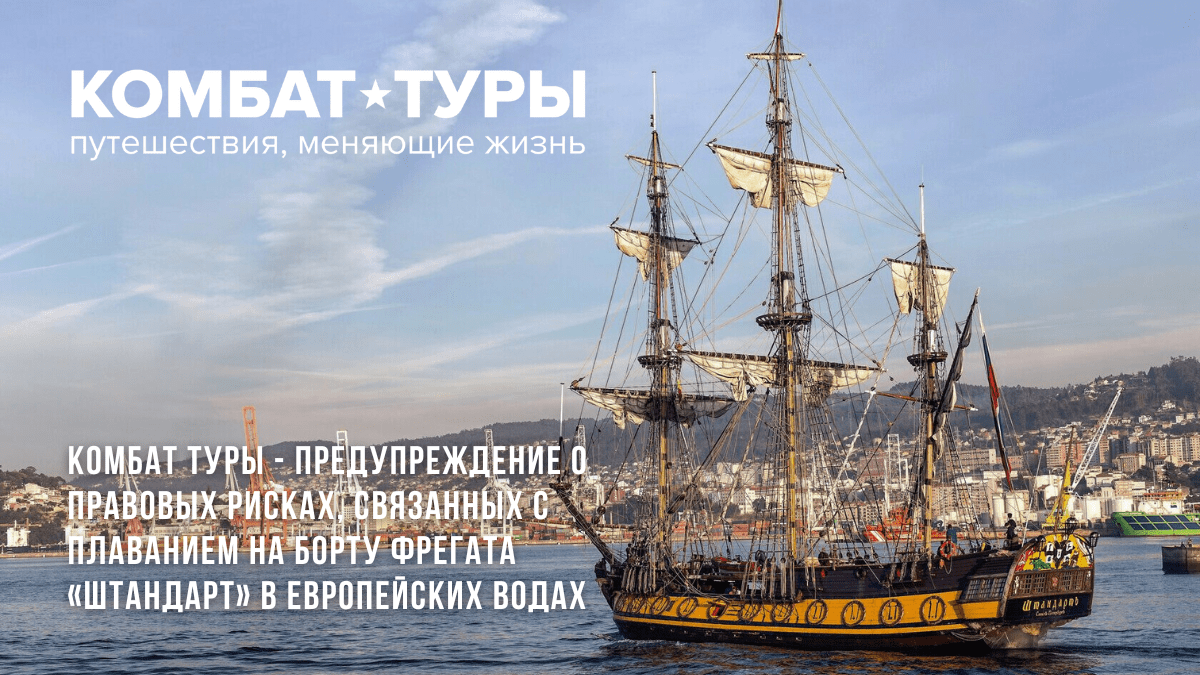

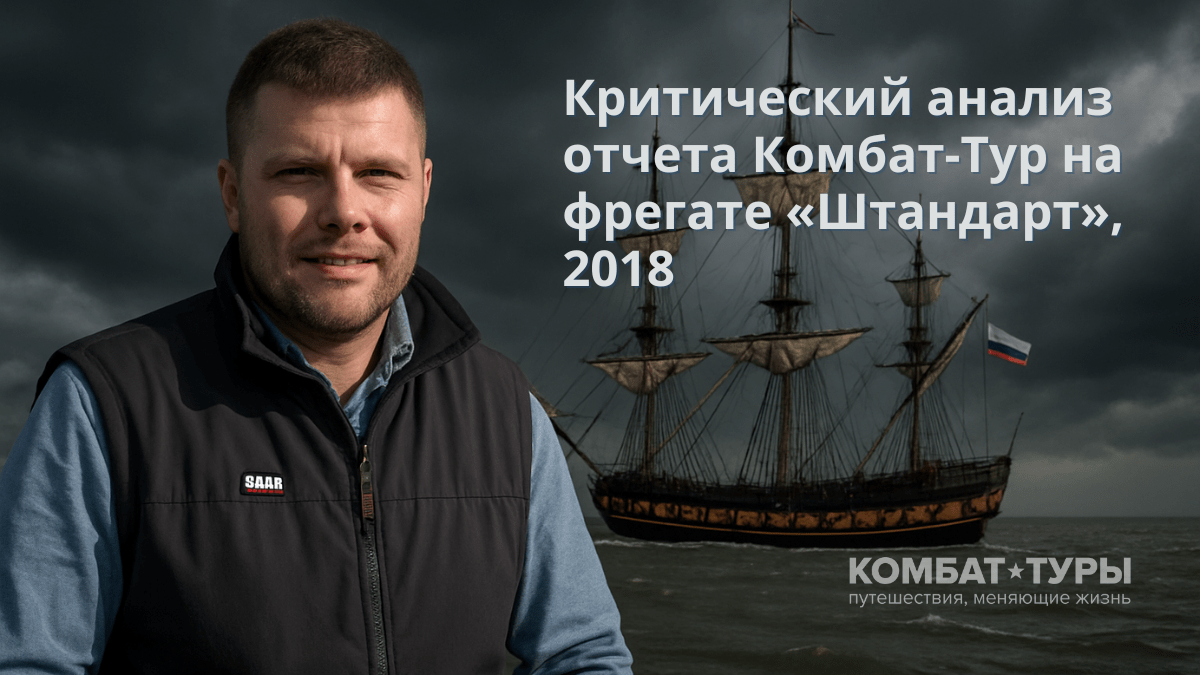


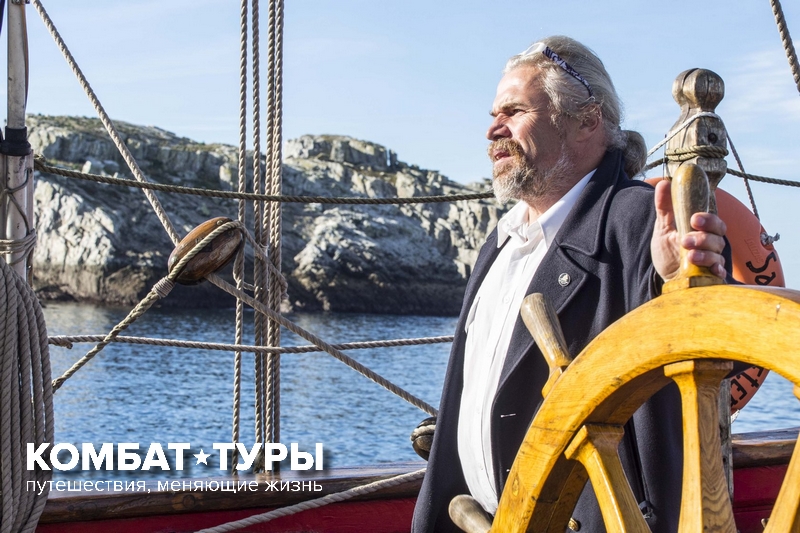
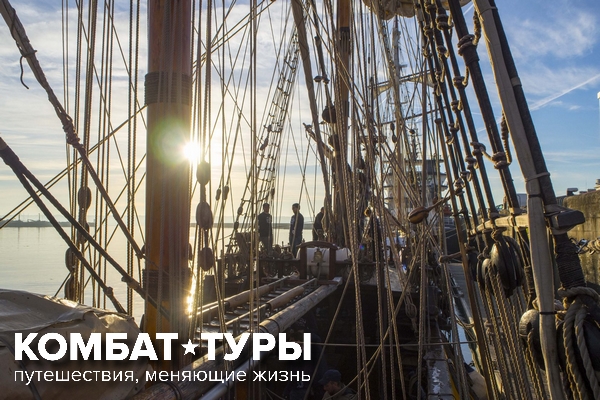

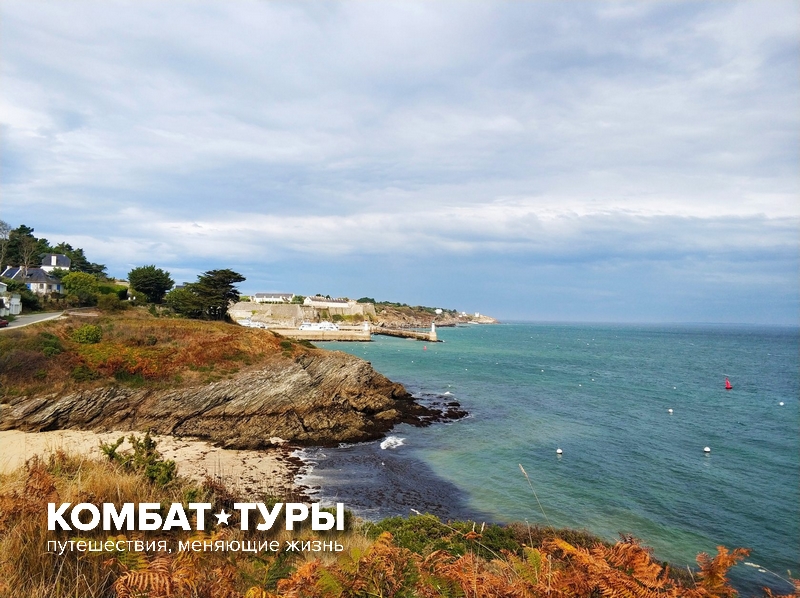
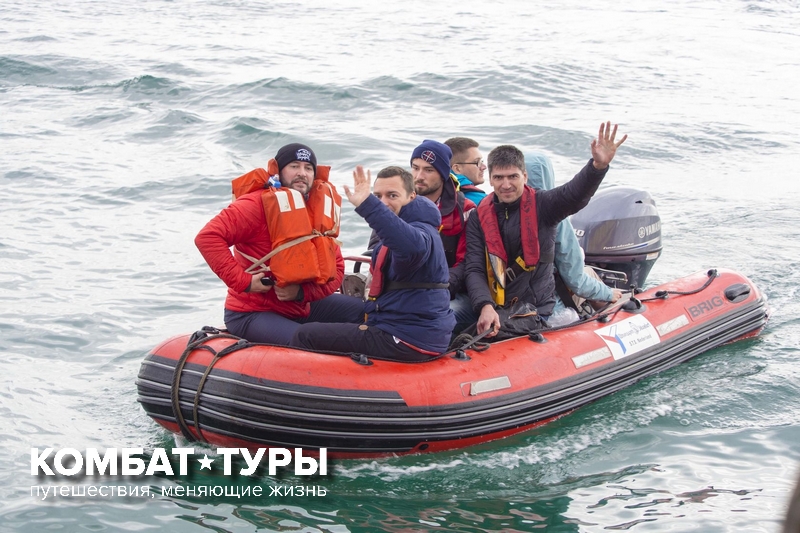
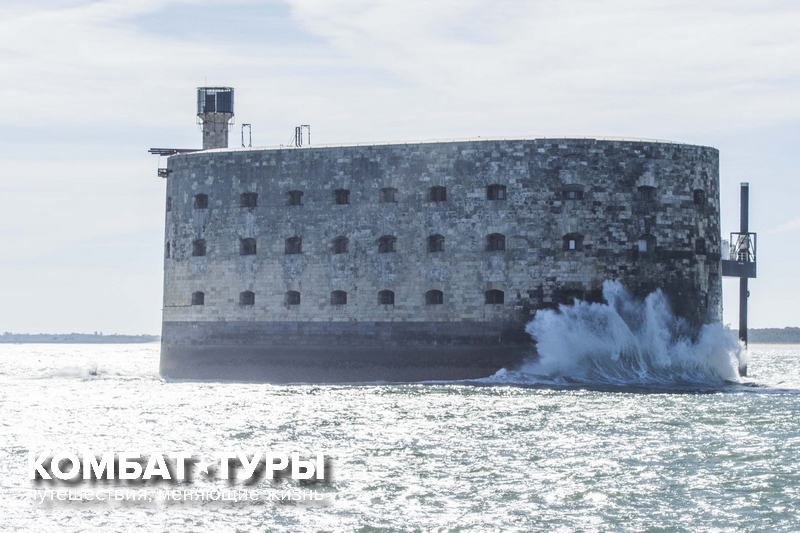


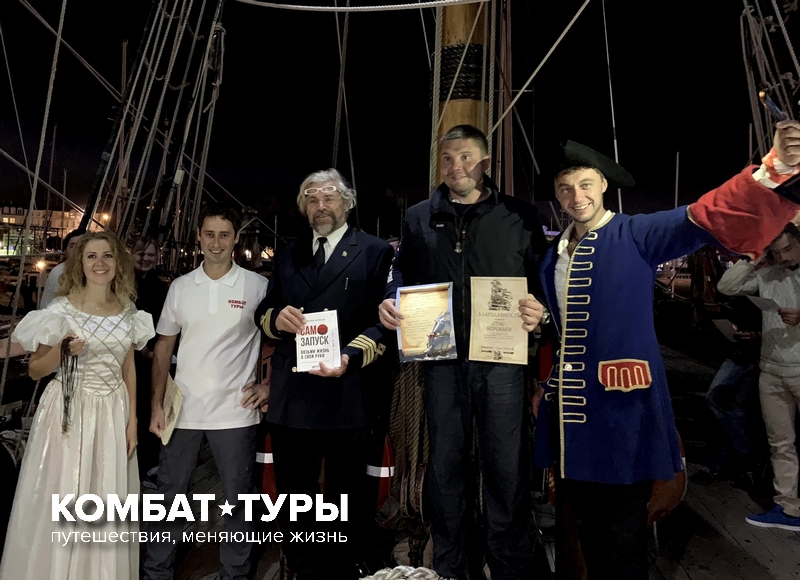
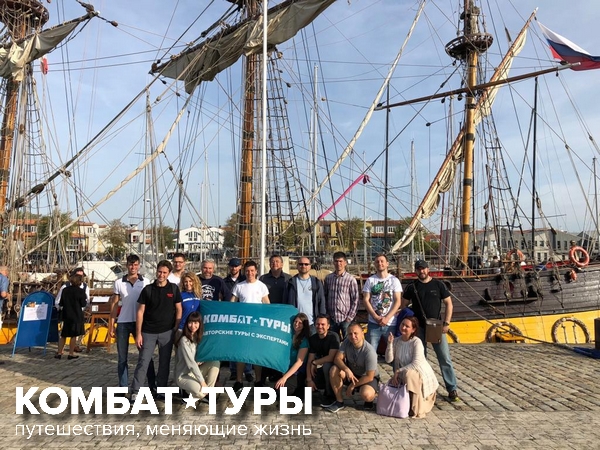

 Эта статья на русском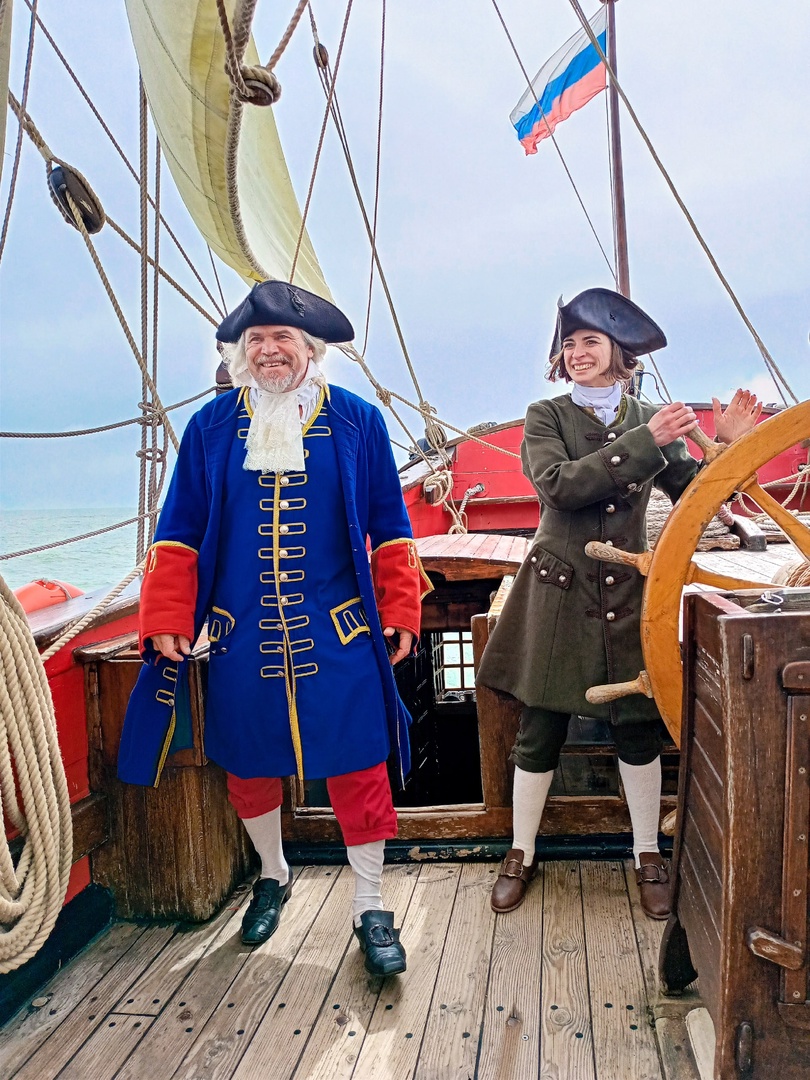


 Letter in English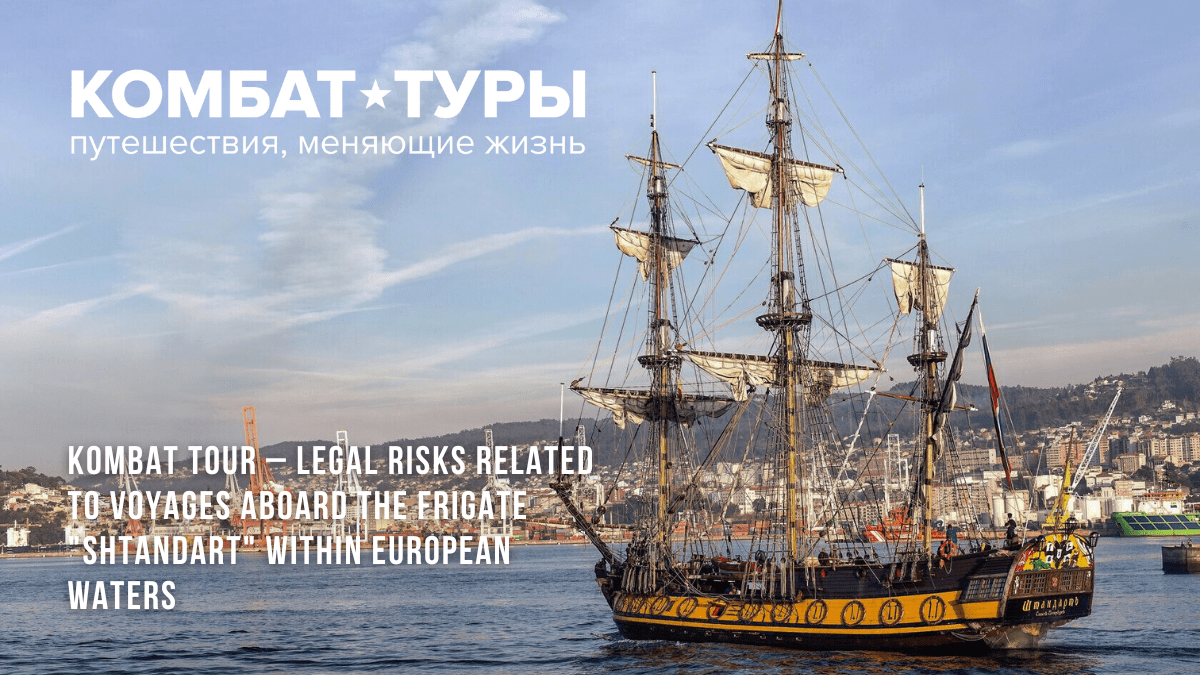
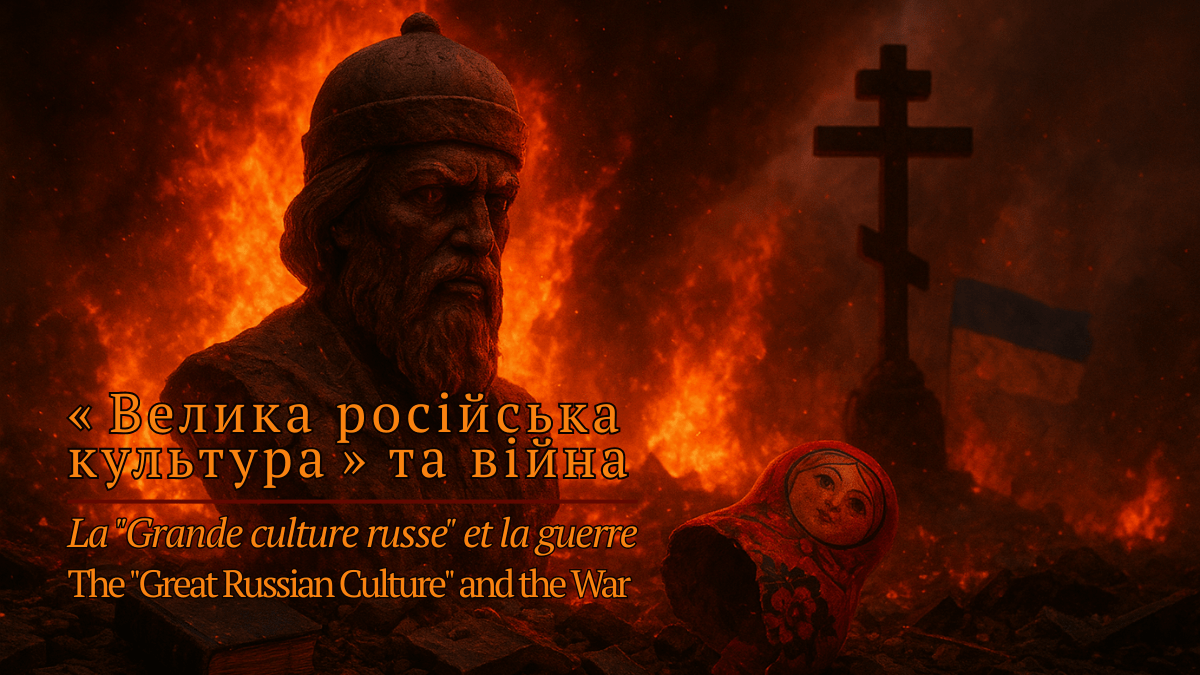
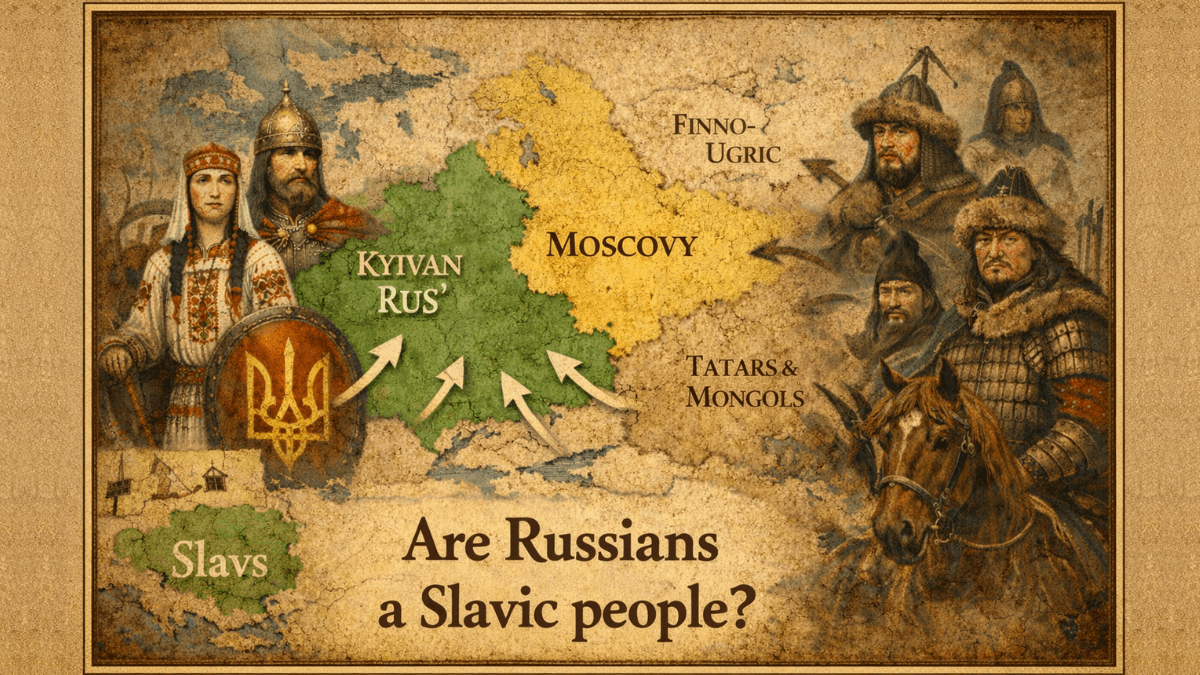


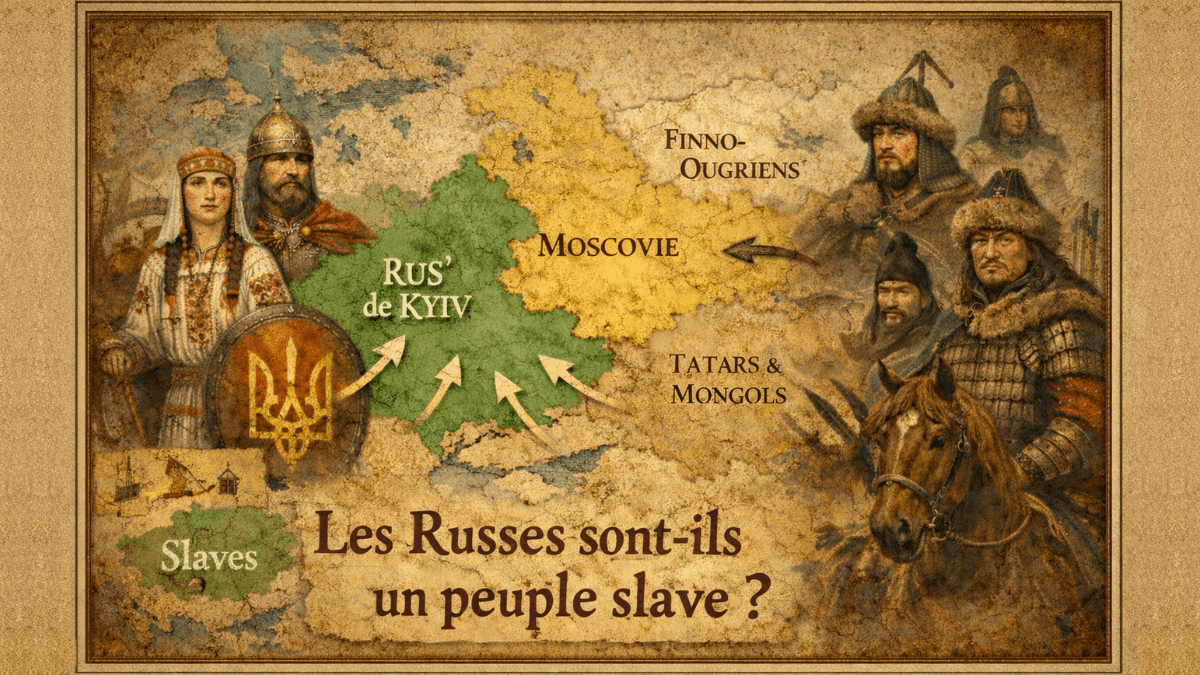

 Bernard Grua - No Shtandart In Europe