

Against the backdrop of new revelations about Standart’s covert activities, a third official warning was issued to Kombat-Tour. Below is a document setting out the facts that both French and Russian readers should be aware of.
Archives de l’étiquette : Russia
The ‘Shtandart’ and European sanctions: second formal warning for Kombat-Tour

On 26 November 2025, a second formal warning was issued to the Russian agency Kombat-Tour concerning its planned cruise aboard the frigate Shtandart in Brittany. An article in Le Télégramme points out that the ship remains banned from European ports due to EU sanctions and French and European court rulings. Continuing with this project would expose the Russian agency to serious legal, commercial and geopolitical risks.
The “Shtandart”: From Soft Power to Hybrid Warfare — A Case Study of Russian Influence in Europe

How a replica of Peter the Great’s frigate became a geopolitical tool: the Shtandart illustrates Russia’s shift from soft power to hybrid warfare in Europe, combining cultural diplomacy, legal strategies, disinformation, and sanctions evasion to project influence and reshape narratives.
Kombat Tour – Legal risks related to voyages aboard the frigate « Shtandart » within European waters
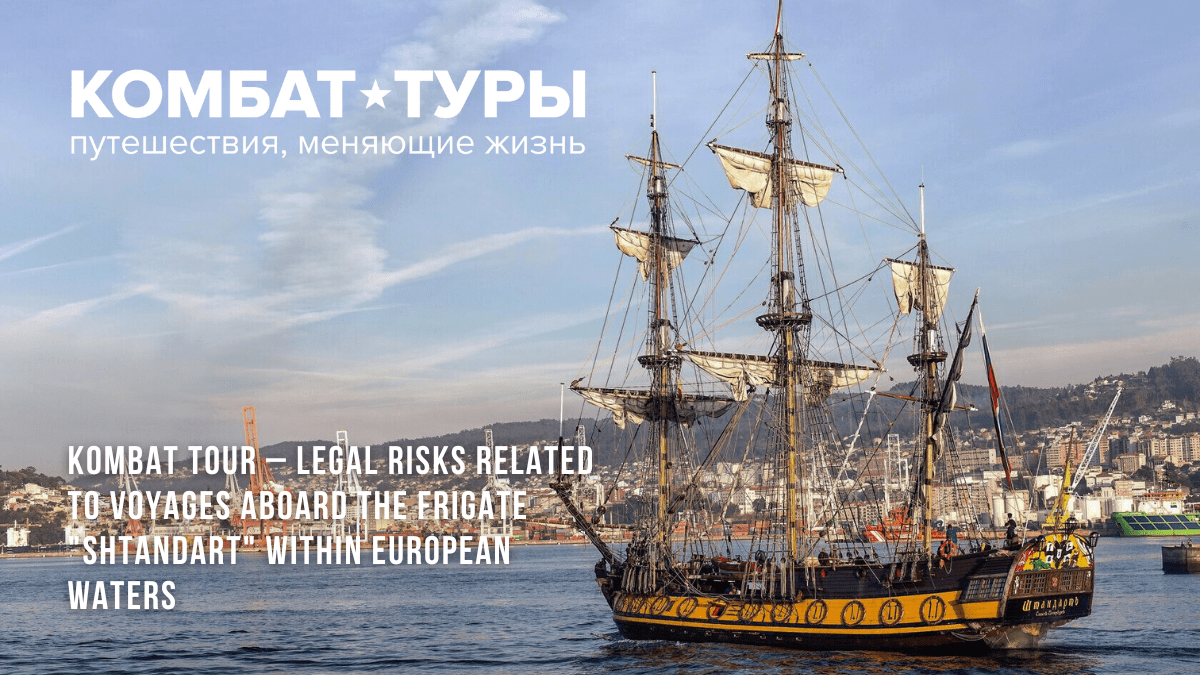
The Kombat-Tour company, based in Smolensk (Russia), which is promoting “Family cruise” aboard the frigate Shtandart along the Breton coast, has been formally warned of the existing bans affecting this operation. It has also been informed of the risk that its clients may be unable to embark or disembark, and may even be detained by law enforcement authorities.
The “Great Russian Culture,” a Framework of Supremacism at the Origin of the War in Ukraine

Russian culture, French, Genocide, Great Russian Culture, war, Russia, Russophilia, Ukraine
The case of the sailing ship Shtandart: defending maritime heritage against misinterpretation and harassment, 20/09/2025

The website shtandart.eu has just published an article entitled “The Case of the Sailing Ship Shtandart: Defending Maritime Heritage Against Misinterpretation and Harassment.” This text devotes many pages to portraying the Russian frigate Shtandart as an innocent cultural project, while turning its attacks personally against Bernard Grua, spokesperson of the collective No Shtandart in Europe.
Acknowledgements for cross-border cooperation on the Iberian Peninsula – Тhe Russian vessel « Shtandart » fails in its port sanctions fraud
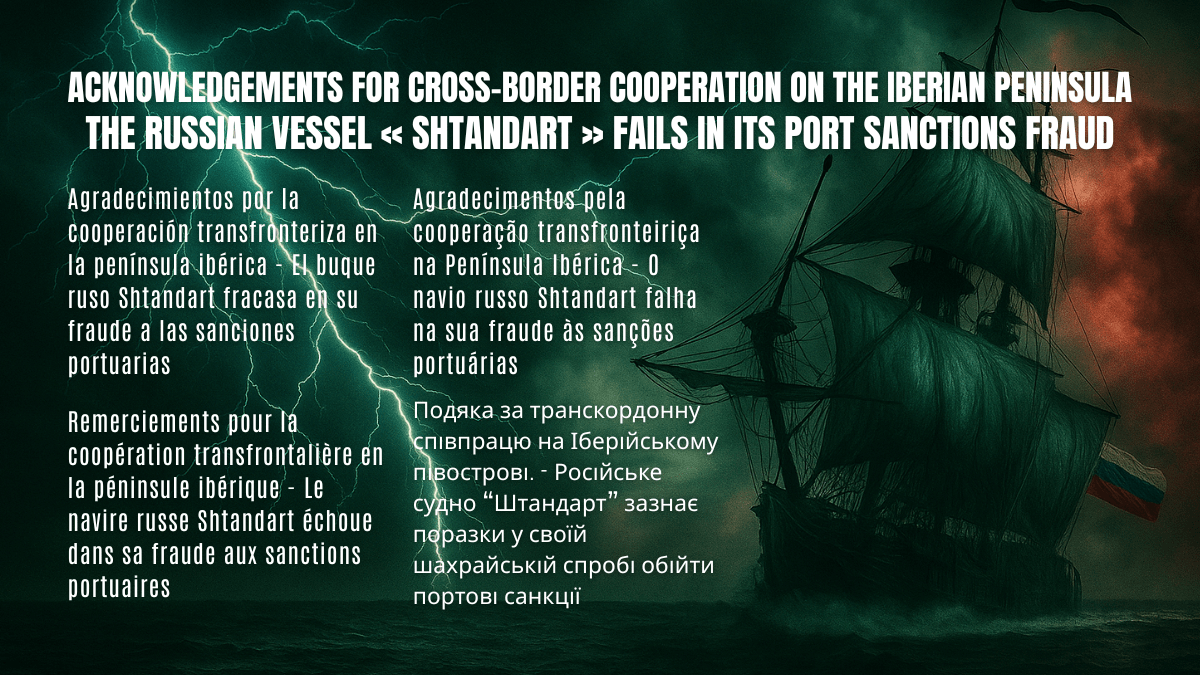
Thanks to strong cross-border cooperation between Spain, Portugal, the United Kingdom, and France, the sanctioned Russian vessel Shtandart has been denied all planned port calls across Southern Europe. This coordinated effort has successfully blocked the vessel’s attempts to circumvent port sanctions, demonstrating the effectiveness of joint action in enforcing European and UK regulation.
Alert: Imminent risk of illegal entry into Spanish southern territorial waters and ports by the Russian vessel « Shtandart »

The Russian vessel Shtandart, despite the explicit prohibition by the Court of Justice of the European Union, continues attempting to enter EU ports. Following recent incidents in Galicia and Portugal, the international collective No Shtandart in Europe alerts the Spanish authorities of the imminent risk of incursions into the country’s southern waters.
Alert: Violation of Spanish Territorial Waters by the « Shtandart », a Sanctioned Russian Vessel

The presence of the Shtandart in Spanish waters is not a simple maritime incident but a clear breach of European sanctions and Spain’s national sovereignty. This ship, a symbol of Russian propaganda and previously expelled from Spain in 2024, returned to Galicia in September 2025, openly defying the country’s decisions. Its presence undermines the credibility of the European Union’s restrictive measures and requires a firm and immediate response from the Spanish authorities.
Is the sanctioned « Shtandart » a Russian spy ship?
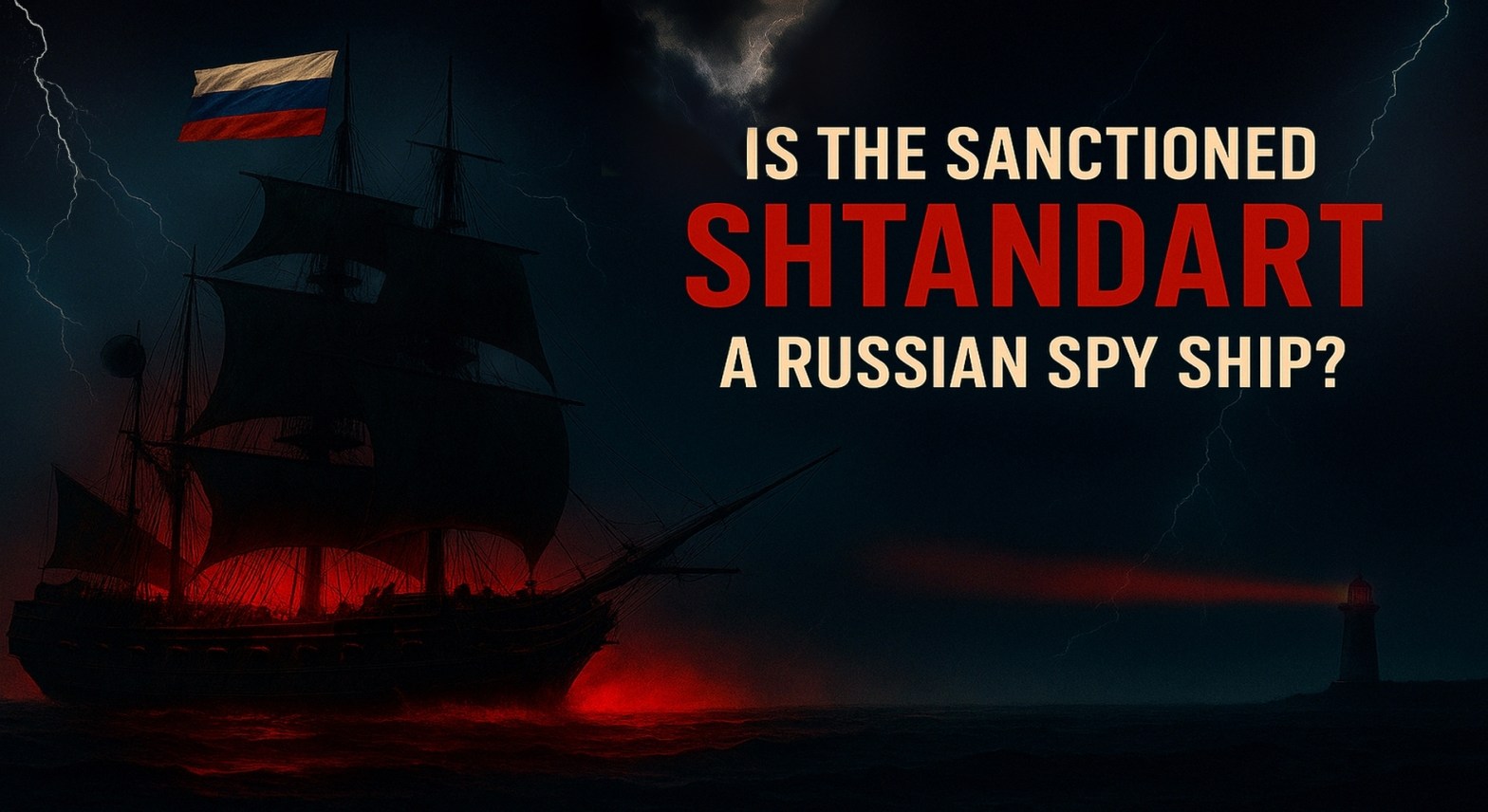
By disconnecting its Automatic identification system (AIS) between Norway and France and making a secret stopover in the port of Hvide Sande, the sanctioned Russian ship Shtandart has sparked a wave of outrage and suspicion in Denmark. However, can we claim that it is a Russian spy ship, as suggested by tvSyd, a Danish media ?

